How should you prepare for fasting? What to eat and do to avoid feeling dizzy and dizzy?
Well, it's very important to know how to do it correctly, also so as not to harm the body.
The fast lasts 25 hours, during which the body loses weight due to dehydration and depletion of carbohydrate stores, but not fat stores. Therefore, it is very important to prepare for it in advance, and not just on the day itself.
 Want more news, videos and stories? Join the Haredim 10 WhatsApp channel >>
Meital Ezer, a clinical and sports nutritionist and nutritional consultant at Herbalife, provides tips and advice on how to get through the fast without feeling heavy, dizzy, or dizzy.
Preparing for fasting - fitness:
Fitness is essential throughout the year, but it is not recommended to perform intense physical activity the day before a fast. Physical activity increases the metabolic rate and hunger during the next day, so if you are fasting, plan your workouts so that you do not exercise the day before the fast.
Drink:
The main difficulty with fasting is thirst, which sometimes causes headaches and other symptoms of mild dehydration. It is recommended, of course, to always drink plenty of water, although the critical preparation is the day before the fast, in order to be in a saturated state. The amount is at least a liter and a half of water per day, in addition to additional drinking if you are working and/or are outside and on the move.
Herbalife Aloe Vera Drink Concentrate can be used to encourage fluid intake. It is also recommended to gradually reduce caffeine intake to begin a gradual process of caffeine withdrawal and thus avoid headaches and irritability during the fast.
diet:
It is recommended to eat small meals containing carbohydrates (bread, rice, potatoes, oatmeal, etc.) and spread them throughout the day. The goal is to fill carbohydrate stores as much as possible throughout the day, not just at the snack. You can also use smoothies with fruit and oatmeal in the morning and a protein bar from Herbalife, which also incorporate carbohydrates as snacks.
What is recommended to eat:
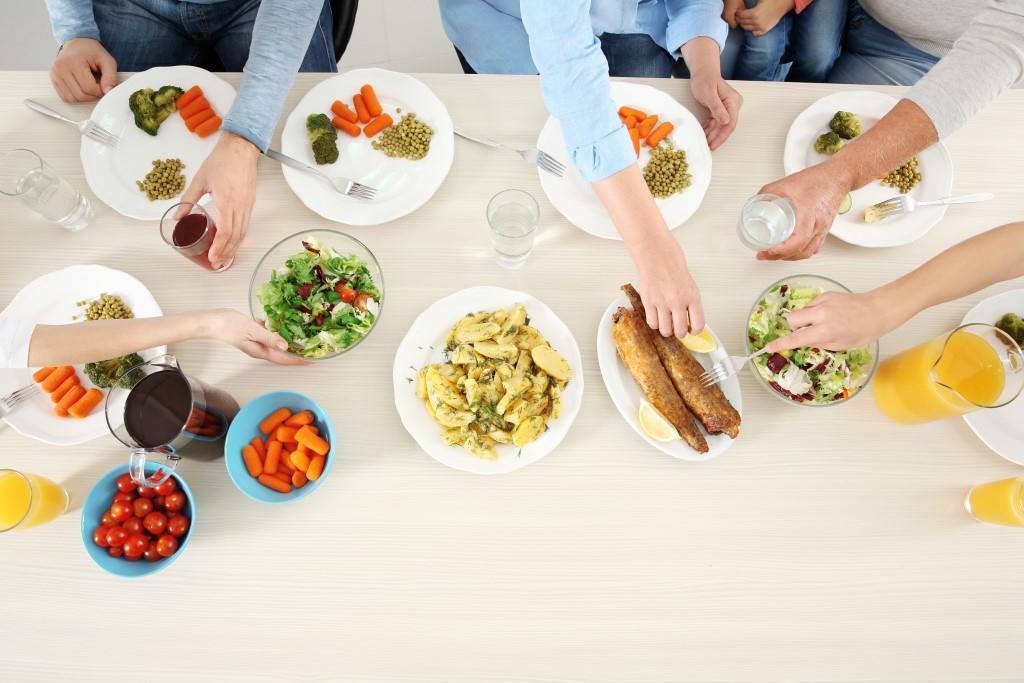
Combine complex carbohydrates, with a low glycemic index, which are slowly broken down and moderately raise blood sugar levels. For example - whole rice, quinoa, whole wheat pasta and legumes such as chickpeas, lentils, beans, etc. It is advisable to combine proteins that contribute to the feeling of satiety over time, such as: fish, soy, legumes for vegetarians, etc.
Incorporate dietary fiber, especially soluble fiber, which slows down the rate of food breakdown and thus contributes to a feeling of satiety over time. These are found in fruits, vegetables, dried legumes, oats, and nuts.
What not to eat:
It is advisable to avoid very spicy, hot or salty foods that increase the need to drink. It is also advisable to avoid sugary drinks that raise blood sugar levels quickly and in response cause an increase in insulin and hunger.
Knowing that after the last bite we won't be able to eat for 25 hours is a destructive thought, which causes fear and overeating. The meal that interrupts has no long-term effects on the feeling of fullness. On the contrary, finishing a meal with a feeling of heaviness makes it difficult to continue the fast and often increases the need for fluids. It is important to eat until you are pleasantly full and not to "explode.".
The origins of the fast:
First, it is important to take care of the fluid balance and start drinking, this is the time to incorporate carbohydrates and replenish the reserves. It is recommended to combine drinks and simple carbohydrates that break down quickly and raise sugar levels, for example: fruit, dried fruit, cookies, etc. After that, it is recommended to start eating gradually so as not to overload the stomach. In any case, the meal after the fast should be light, for example, a rich vegetable soup with noodles and fish or salad, egg, cheese and bread.
• Tips courtesy of Herbalife