The year 2026 places Israel at a historic turning point, where the question of housing no longer concerns only real estate prices, but also the resilience and strength of the home front in the face of ongoing security threats.
The data on construction starts for 2025 indicated a worrying decline, precisely when the need for protection had become existential. The stagnation is not due to a lack of demand - after all, the hunger for protected apartments is at its peak - but rather it stems from a lack of certainty and the fact that there is no government intervention in the housing sector.
Generation Z actually sees the fact that they are buying an apartment as a real act of acquiring security. Unlike previous generations who were looking for spacious 5-room apartments, the younger generation prefers smaller apartments of up to 3.5 rooms - a product that there is a real shortage of in the market. In the reality of high interest rates and security threats, the young buyer understands that an unnecessary room is a financial burden, while high-quality protection and a vibrant urban environment are the right investment. They are no longer looking for multiple rooms, but for personal strength that is combined with a lifestyle, proximity to cafes and restaurants, or leisure centers with nice gardens - which become an integral part of their living experience.
The decisive element for the younger generation is "what happens outside the apartment." This generation grew up with loneliness and alienation created as a byproduct of the digital age, and they seek community and warmth in community centers that will be a direct and additional extension of the home living room. Co-working spaces, community gardens, and cafes that are friendly to "laptop people" have become a standard in the search for apartments to purchase among young people. To meet these needs, we must move from thinking about the renewal of a single building to large-scale neighborhood planning.
Promoting such a "renewal continuum" allows authorities to correct decades of planning injustices, and create modern infrastructure and efficient transportation systems. Smart planning must adopt a model of parks, kindergartens and community centers within a short walking distance. A tenant in 2026 no longer signs only on the space of the apartment, but on a triple commitment of the developer, the tenants and the authority to develop the entire community envelope.
Another critical variable in shaping the market is proximity to metro and light rail lines. Young buyers are willing to move away from the center provided they have transportation certainty and quick access to employment centers. In this era, a buyer is not only buying a property, but also buying "time.".
The small apartment in a vibrant, accessible, and protected center has become the most sought-after property, while the huge, isolated apartments that require hours in traffic jams are losing their value.
Unfortunately, the protection gaps in Israel are still huge, especially in the older cities in the center and north. The state must stop treating urban renewal as a bonus or luxury and recognize it as a fundamental right.
Focus should be placed on neighborhoods that have been neglected due to infrastructural complexity as part of the security imperative.
The combination of fast-track approvals and national reconstruction plans is the key to clearing the bureaucratic bottleneck. If the State of Israel considers human life to be of paramount value, it must build its national resilience from the foundations of renewable residential buildings, because urban renewal is the protective suit of Israeli society for the coming decades. It must be accelerated - and preferably one hour earlier.
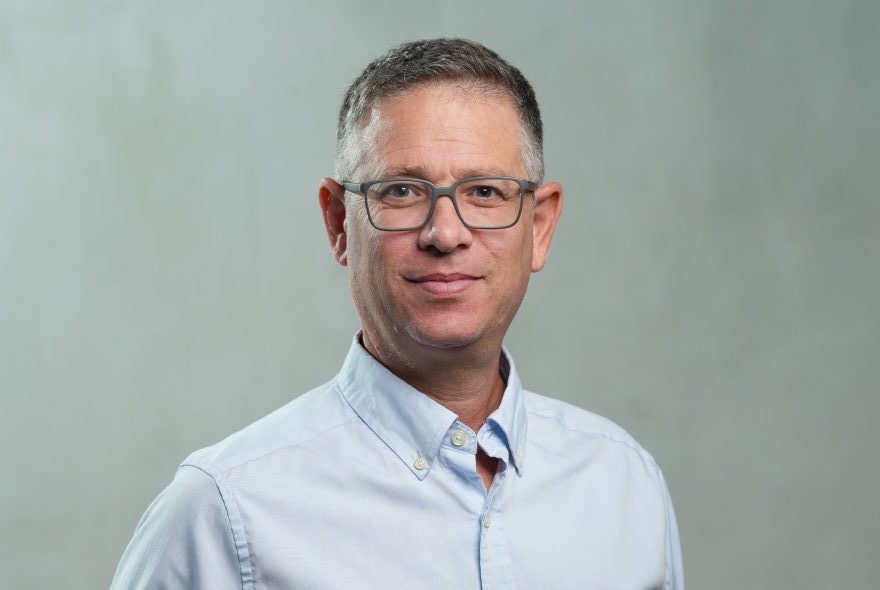
Adv. Ido Shmueli - specializes in real estate in its various forms, with an emphasis on combination transactions and projects within the framework of urban renewal.
 Join the Haredim 10 Facebook page >>
 Join the X page of Haredim 10 >>
 Want more news, videos and stories? Join the Haredim 10 WhatsApp channel >>