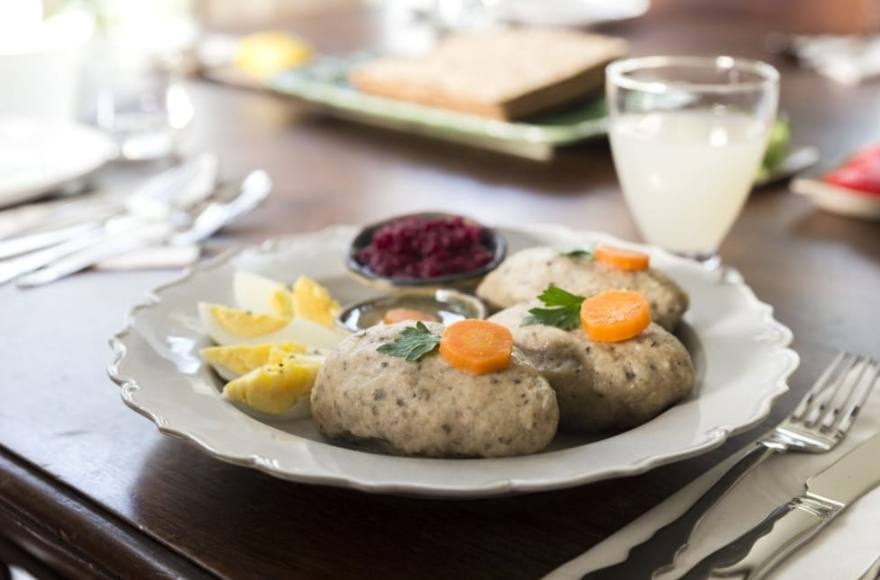
Data from the Fish Farmers' Organization indicates that the expected consumption during the upcoming Passover of fresh Israeli fish, from the variety of quality fish raised in fish ponds in the country, stands at 1,590 tons, of which 600 tons are carp, 500 tons are tilapia, 140 tons are mullet, 100 tons are bass, as well as 250 tons of fresh pond fish from other species, including sea bass, barramundi, trout, bream, pond bream, peony, and more.
These days, farmers are changing the fish's diet to kosher food for Passover to ensure that the fish that appear on the Seder table and throughout the holiday will meet the strictest kashrut requirements.
Last year, the law went into effect for labeling the country of origin of fresh agricultural produce sold in bulk, requiring the presentation of accessible information to the consumer about the origin of the produce he purchases.
The Fish Farmers' Organization emphasizes the importance of the law, especially during this period, when the vast majority of consumers prefer to purchase local produce and support Israeli agriculture.
Chen Flor, CEO of the Fish Farmers' Organization in Israel: "Naturally, the demand for fresh Israeli fish increases significantly during the holiday season, and this year we are even seeing an increase of about 100 tons in the expected consumption of fresh pond fish, compared to the same period last year. From our perspective, this is an important expression of trust by the Israeli consumer in local agriculture and our Israeli fish.".
""Fish farmers operate subject to rigorous and meticulous planning aimed at ensuring stability and continuity of the supply of fresh, high-quality pond fish to the Israeli market, throughout the year and during the peak demand seasons of Tishrei and Passover. As a result, no shortage of fish is expected during the upcoming holiday, and every home in Israel will be able to celebrate Passover with fresh Israeli fish.".
He added: "According to a consumer survey we conducted, through the Roshnik Institute, 781% of consumers prefer to purchase Israeli fish, while only 51% indicated that they would prefer fish imported from countries such as Turkey, Cyprus or Chile. The law for labeling the country of origin allows consumers to very easily identify the origin of the produce at the point of sale and make their choice.".
The Fish Farmers' Organization recommends purchasing fresh fish only in stores supervised by the local authority's veterinary department and paying attention to the distinguishing marks for identifying fresh fish:
 Join the Haredim 10 Facebook page >>
 Join the X page of Haredim 10 >>
 Want more news, videos and stories? Join the Haredim 10 WhatsApp channel >>