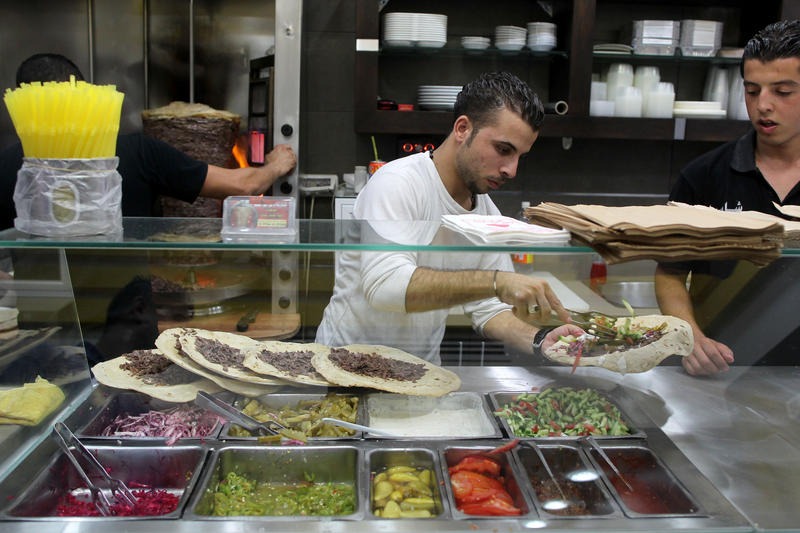
The Special Committee for Foreign Workers, headed by MK Eti Hava Atiya of the Likud, held a follow-up discussion today (Monday) on bringing foreign workers into the restaurant industry.
The discussion mainly dealt with the quota of workers promised to the industry and the difficulties that accompany their absorption.
Before the war, the restaurant industry employed about 2,000 licensed Palestinian workers. In June 2024, an identical quota of foreign workers was approved, with the signing of a bilateral agreement with Sri Lanka.
 Want more news, videos and stories? Join the Haredim 10 WhatsApp channel >>
However, as of today, the workers have not yet arrived in Israel, leading to a severe shortage of manpower in the industry.
The Ministry of Economy has issued a "call for applications" for restaurateurs to hire foreign workers, giving priority to businesses that employed Palestinian workers before the war. However, many restaurateurs claim that the high associated costs - including government fees, housing and other expenses - make hiring the workers unviable.
The discussion presented data on the extent of demand for foreign workers in restaurants.
According to the Ministry of Economy, 3,469 applications were submitted from 426 employers, but 70 of them were rejected due to failure to meet the threshold conditions. The Population and Immigration Authority noted that the review process is underway, and that it may be possible to postpone the payment of the fee for employers who have difficulty meeting it.
A Ministry of Finance representative emphasized that there is no intention to reduce fees in the restaurant industry, unlike the construction industry, where certain reliefs have already been decided. He claims that the fees do not constitute a significant barrier, but the possibility of reducing costs in other areas is being examined.
On the other hand, restaurateurs claim that the fees will lead to a 20%-30% increase in food prices in restaurants, which may burden the consumer public.
Ilan Zagdon, founder of the Restaurant Forum, said in the discussion: "I don't have 100,000 extra shekels to deposit to bring in foreign workers to work in the restaurant business. Following the fees for bringing in foreign workers, food prices in restaurants will rise. Shawarma is going to cost 90 shekels per serving, and I will submit this bill to the Minister of Finance.
""The fee for bringing in workers will be passed on to consumers and prices in restaurants will rise. Before the war, almost ten thousand Palestinian workers worked in the restaurant sector. Prices in restaurants are expected to rise between 20% and 30% following the fees on foreign workers. The costs of the fee will lead to the fact that only wealthy restaurateurs will be able to keep their heads above water.".
The committee's chair, MK Eti Atiya, demanded that the Ministry of Finance and the Committee of CEOs expedite talks on removing barriers and reducing fees as soon as possible.
In addition, she asked government ministries to update the committee regularly regarding the progress of bringing in workers and reviewing employers' requests.