About 24 hours after the attack on Iran attributed to Israel: The New York Times reported at noon (Saturday) that at least one missile was used in the attack on Iran attributed to Israel, launched from a fighter jet far from the borders of Iran or Israel, and which the ayatollah regime's air defense systems were unable to detect.
It was also reported that Israel carried out the attack using special technology, which allowed the missile to evade Iranian radar systems.
According to the newspaper report, the attack also used drones launched from Iranian territory.
 Want more news, videos and stories? Join the Haredim 10 WhatsApp channel >>
Two Iranian and two Western sources confirmed to The Times reports that the precise attack on a military base in Isfahan hit an S-300 battery - a Russian-made air defense system - that was responsible for identifying and destroying aerial threats near the Natanz nuclear site.
Iran itself officially insists that the attack only used drones launched from its territory, and downplayed the significance of the attack. It claims that the drones were successfully intercepted.
The extent of the damage was revealed earlier: satellite images shared by independent intelligence researcher Chris Biggers showed damage to the Russian-made S-300 air defense batteries at the Natanz nuclear facility.
Kan News reported this evening that it can be estimated - based on the photos and the outline of the attack - that the missile used in the attack on Iran is a precision missile called Rampage, produced by Israel Defense Industries. The missile reaches supersonic speeds, which makes it very difficult to identify and intercept by air defense systems.
According to open publications, the missile carries a warhead weighing 150 kilograms of explosives, has a range of 145 kilometers, and is capable of correcting its trajectory so that it accurately hits the point that was entered into it at the time of launch.
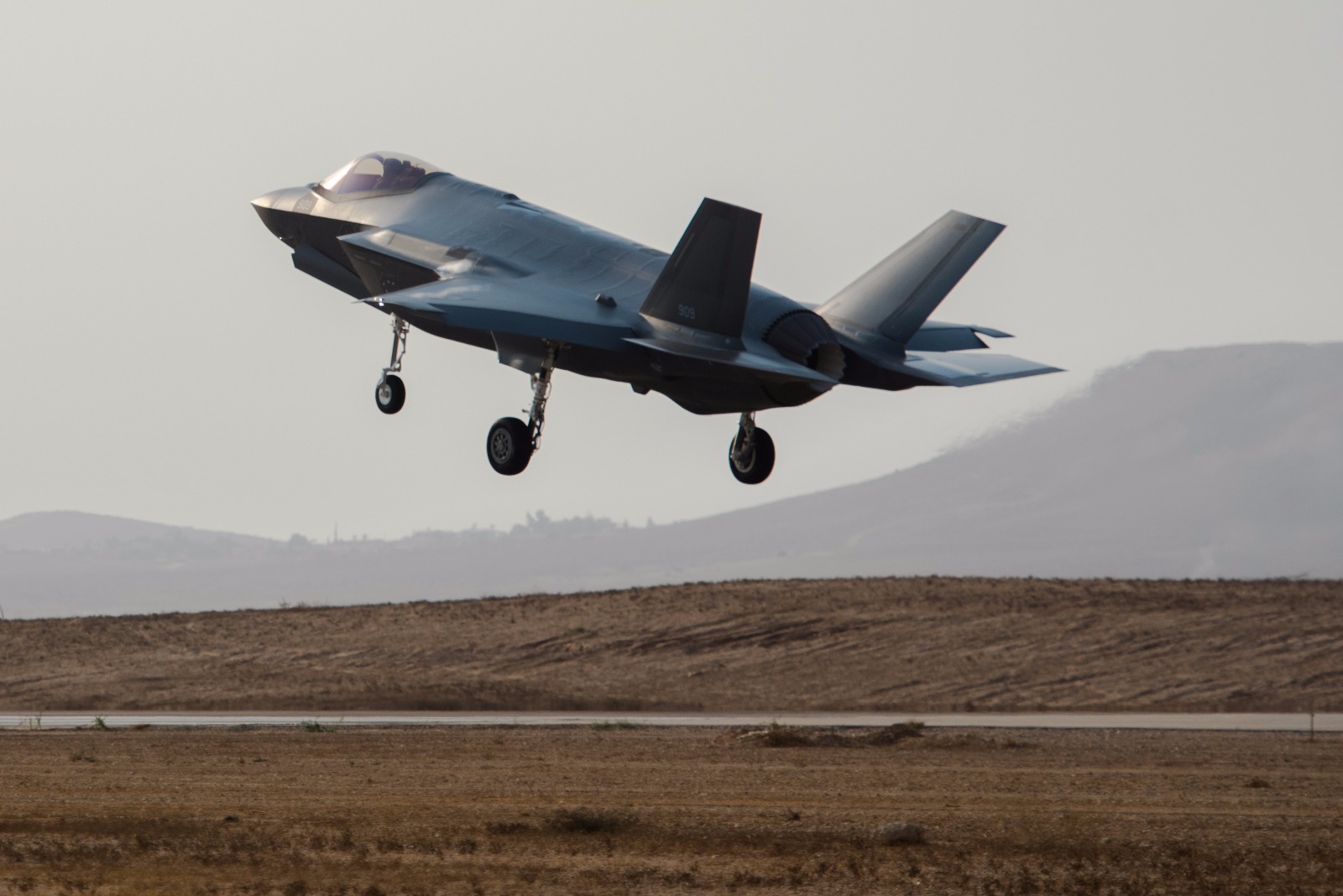
In other words: it is designed to attack stationary, not mobile targets - just like what happened in the attack on Iran. According to foreign publications, Israeli F-35 fighter jets also took part in the attack on Iran, launching precision missiles from a long distance at the S-300 battery at the Iranian base in Isfahan.
Apparently, whoever was responsible for the attack chose it to provide a 'show of capabilities' to destroy a complex target, in the heart of Iran, but to do so without taking responsibility and out of a desire not to further escalate the frontal conflict with Tehran.
Meanwhile, as time passes since the attack, the likelihood of a response from Iran decreases.