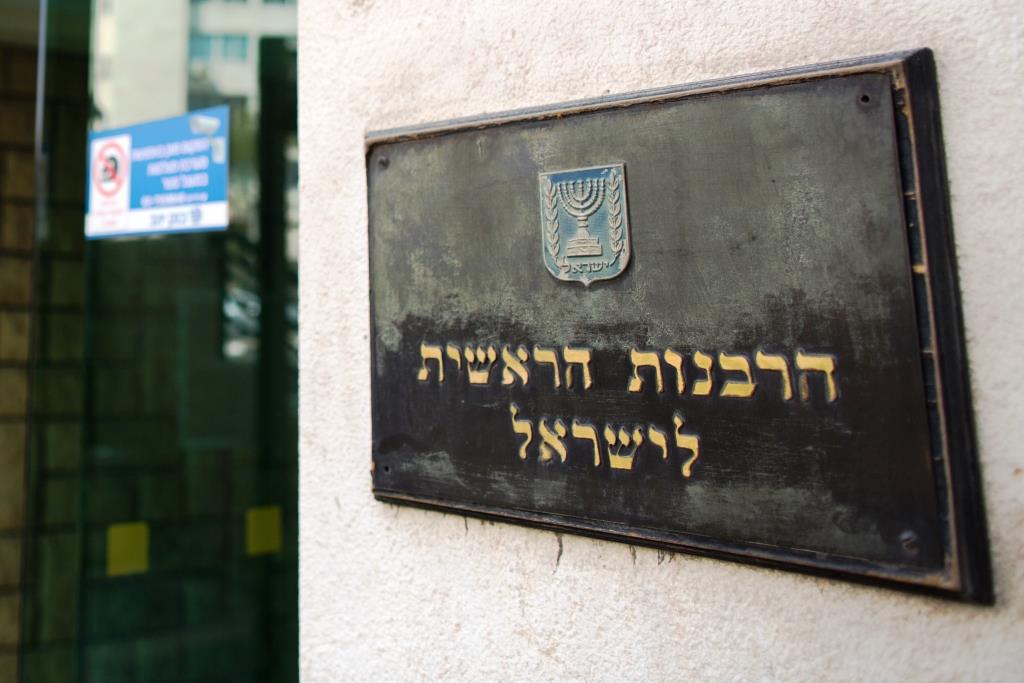
The Ministerial Committee for Legislative Affairs approved today (Sunday) the proposal by MK Moshe Tor-Paz of Yesh Atid to amend the Chief Rabbinate Law, so that it would establish new criteria for submitting candidacies for the position of Chief Rabbi of Israel and change the composition of the body that elects him.
Dramatic statistic: You could be losing hundreds of thousands of NIS that belong to you
The aim of the proposal, which requires all members of the coalition, is to lead to the election of chief rabbis from religious Zionism - in elections to be held in about a year and a half. According to the proposal, the assembly that elects the rabbis will be reduced from 150 to 120, and there will no longer be a majority for rabbis over public representatives. The proposal also states: In addition to local rabbis who will be its members automatically, it will for the first time also include kibbutz rabbis (considered relatively liberal) who will be appointed by the Minister of Religious Services, and ten others that the government will be required to approve. The representation of the general public will also increase the representation of women and non-religious organizations - such as the Student Union, the University Presidents' Committee, and public figures from the fields of spirituality, education and culture. Another section of the proposed law states that the threshold condition for submitting a candidacy for the position of chief rabbi will be 'fitness for ordination.' This means that a long line of ultra-Orthodox rabbis who aspired to the position will not be able to be elected. MK Moshe Tor-Paz welcomed the approval of the proposal in the committee, ahead of a vote on it in the Knesset plenum in a preliminary reading this week, and said that the approval of his law is "one more step on the way to restoring the Jewish public's trust in the religious establishment. Returning the rabbinate to the people is another step towards promoting an inclusive and embracing Judaism that will represent the diversity that exists in Jewish society. As we promised, we have come to change.".
For smokers only: This is how you can save over 8,500 shekels a year
 Join the Haredim 10 Facebook page >>
 Join the X page of Haredim 10 >>
 Want more news, videos and stories? Join the Haredim 10 WhatsApp channel >>