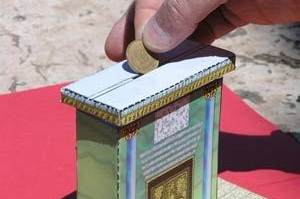
The concept of kindness and charity is an inseparable part of the existence of the Jewish people.
Employers can receive a financial incentive of up to NIS 22,250. How? Enter Obeying the 'Torah': Where can I get vaccinated without the need for an appointment?Over the generations, wonderful acts of help and kindness developed among the people of Israel. The mutual support of the Jews was well known even to the Gentiles, and they often took advantage of it to fill their coffers. The survival of the people of Israel, despite the persecutions and troubles they suffered, is largely attributed to that mutual loyalty and acts of kindness that supported the weak and did not allow them to collapse.
It is doubtful whether there is any country in the world that has such a vast array of voluntary aid and charity organizations. Soup kitchens and food distribution centers; charity foundations that provide interest-free loans; 'Shofra and Pu'a' organizations that assist mothers after childbirth; organizations that lend medical equipment; 'Knessent Kala' organizations, and so on.
The money as a deposit
We inherit the legacy of kindness from the first Jew, our father Abraham. His image is associated in our minds with two prominent, interrelated qualities: ardent faith in God, and an unlimited generosity of heart that led him to repay kindness, to welcome guests, and to help others.
Indeed, the natural tendency of Jews to volunteer to help and open their hands to give charity is one of the signs of the nation's character. The Sages say that performing acts of kindness is one of the three signs that characterize the Jewish people. This trait of charity and doing good is expressed even in those who were not educated in the Torah and tradition (although education makes it stronger and more powerful).
The concept of charity in Judaism holds that a person's money is not their own, but rather is a deposit that God has entrusted to them. Some receive their livelihood directly from the Creator, and there are those who are destined to exist thanks to the money that the Creator gives to other people, so that they may give charity and help those in need.
This is also the meaning inherent in the word 'tzedakah.' We do not say 'kindness,' 'goodness,' 'mercy' – but 'tzedakah,' from the word 'justice.'.
When a person gives charity, he is not doing 'good.' He acts as an honest and decent person, who transfers the deposits entrusted to him to their destination. He knows that the money was given to him so that he could perform good deeds and commandments with it. This is justice, this is what he is required to do.
Charity is also the tool by which one gains greater blessing and success. When the Jew proves through his actions that he uses the money given to him "justly" and directs it to its true goals, God, blessed be He, gives him more and more from His full, open, holy, and expansive hand.
Give up materialism
Charity is also of great importance in dealing with the greed for money and the pursuit of luxury, which is on the rise in our time. This mitzvah educates a person to give up selfishness and the cultivation of materialism, and to prefer the spiritual values of helping others and contributing to important public projects.
There is also nothing that pleases the soul like the feeling that good deeds are being done with our money: children learn Torah; the suffering of the sick is relieved; the eyes of a family in distress are brightened. Charity also brings redemption closer and is therefore especially essential in these days, when we all yearn for salvation and complete redemption.
 Join the Haredim 10 Facebook page >>
 Join the X page of Haredim 10 >>
 Want more news, videos and stories? Join the Haredim 10 WhatsApp channel >>