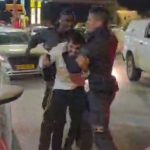
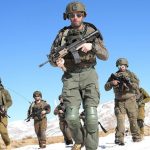
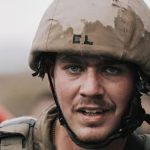
The mass protest, which suddenly erupted following the publication of the video documenting a Nahal soldier confronting Arab youths in Hebron, was met with astonishment in the media. It turns out that many of them still have difficulty digesting that the era in which they controlled public opinion is over. They created a 'public storm' at will, and stifled it at will. Today, the public can express themselves without their mediation.
The large protest reflects the frustration felt by the public at the confusing instructions that soldiers receive. It is often the impression that image is more important than the soldiers' well-being. They are required to endure humiliation and provocations, sometimes bordering on the actual risk of their lives, as long as no pictures are distributed worldwide that show the soldiers behaving harshly and assertively.
The public feels that the extreme restraint required of the soldiers does not convey strength and confidence but fear and weakness, which could encourage the rioters. Ultimately, an extremely difficult confrontation is expected to develop, and the images will also be much more difficult.
 Want more news, videos and stories? Join the Haredim 10 WhatsApp channel >>
Fear of royalty
The provocations and teasing of the Arabs are not games of honor, which can supposedly be restrained and the insult absorbed. This is defiance against the government and an undermining of its authority. If a soldier standing guard allows the brats to humiliate and tease him, he is breaking down the deterrent factor and encouraging them to attack Jewish soldiers and civilians tomorrow, out of a feeling that the army's hands are tied and it is weak and afraid.
Would a police officer in any country in the world tolerate this kind of provocation? Of course not. Anyone who behaves this way towards a police officer will immediately find themselves in a police car, with handcuffs on their hands, and will be brought to justice. Because it is clear to any reasonable person that without a 'royal decree' there is no law and order. So why do some people believe that our soldiers should be more polite, restrain themselves and absorb the spit?
Indeed, the battlefield today is not only military, but also global public opinion. The weapons of modern war are not only guns and planes, but also cameras and keyboards. But abandoning soldiers in favor of image considerations will ultimately achieve the opposite goal. Instead of performing a small and quick operation, we will be forced to perform a much larger operation, and the images will also be much less pleasant.
Whose favor are you?
The thought that we have to go out of our way to please the hypocritical world is particularly outrageous. In Syria, helicopters drop barrels of fuel and explosives on schools, killing thousands of civilians, including women and children. In Ukraine, 42 civilians are killed in one day. In Egypt, 720 people are sentenced to death. And we should be wary of images showing a soldier brandishing a weapon in response to provocation by a group of rioters.
Of course, we must maintain a humane image, avoid abusing innocent citizens, cultivate values of kindness and mercy, and yet we must not hesitate where determination and firmness are required. The sages have already warned that whoever is merciful to the cruel ends up being cruel to the merciful. A quick and sharp response to nip in the bud rebellion and riot is actually an act of kindness, because in its absence we will be forced to use much more force.
The mass protest reflects the feelings of the public, and it is advisable for the government, military, and legal systems to be attentive to them.
• The column is published in 'The Conversation of the Week'.'