What seems like a small, sweet saving today may turn out to be a bitter and painful loss on the day you need your walls most • Yaakov Reinitz, real estate consultant, with advice worth its weight in gold
It's an open secret in our regions: Planning and building laws in ultra-Orthodox cities are often seen as mere recommendations. The motive is not a desire to break a law for its own sake, but a real existential distress.
When ten people share a cramped three-room apartment, simple logic prevails over bureaucracy. They build another room, close off another balcony, add more meters. Not always with the approval of the engineering department and not always according to safety rules. It's humanly understandable.
But this reality has a price, and it comes at the least expected moment.
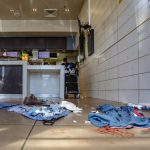
About a week ago, I met a family from Bnei Brak. Their building took a direct hit from a missile in the recent war with Iran. Within seconds, most of the apartments were unusable. The families were evacuated to hotels, and after the dust settled, it was time to assess the damage and clarify rights.
This is where the painful gap is revealed.
The answer from property tax officials was quick and concise: the compensation will be calculated based on the legal size of the apartment only.
As far as the authorities are concerned, what is not registered in the building file at the municipality simply does not exist. Did you build five rooms but three are registered in the land registry? You will receive compensation for three. The rent that property tax grants for alternative housing is also derived from that dry registration, according to the accepted price for a legal apartment of the same size and in the same area.
The practical meaning is an economic knockout. Families with children are forced to rent large, expensive apartments, while the state pays them the budget of a young couple's apartment. The difference, which amounts to thousands of shekels a month, comes out of pocket for someone who has already gone through severe physical and mental trauma.
Then there was the one neighbor who stood out.
For years, he was perhaps considered the building's "sucker." He built only according to the law, paid fees and charges, and reported every square meter to the property tax office. While some neighbors boasted about the monthly savings resulting from missing registration, he paid the full price, month after month, year after year.
Today, his family is the only one in the building who is breathing easy. The state is financing them a huge alternative apartment that exactly matches their needs, because their space is anchored in law and not just in walls. And beyond that, when the building undergoes renovation or construction, which is highly likely in its current state, their rights will be tens of percent higher than those of the other neighbors. Real estate compensation, as we know, is derived from the registered square meters. Not from the square meters that were built illegally.
The message here is not a moral sermon. It is a short lesson in real estate, and in life in general.
Building without a permit is not just a violation of the law. It is a voluntary waiver of state protection in real time. At the critical moment, whether it is a missile, an earthquake, or an urban renewal process, the illegal meters evaporate as if they never existed. The state does not ask what is actually between the walls. It asks what is listed in the file.
What seems like a small, sweet saving today may turn out to be a bitter and painful loss on the day you need your walls most.
Property taxes and permits are not a fine. They are the most important insurance policy you have.
• Yaakov Reinitz is a real estate consultant and lecturer. To schedule a consultation - Click here
 Join the Haredim 10 Facebook page >>
 Join the X page of Haredim 10 >>
 Want more news, videos and stories? Join the Haredim 10 WhatsApp channel >>