The Nature and Parks Authority and the Ministry of Agriculture and Food Security announced today (Sunday) that a number of nature reserves in the Lower Galilee have been temporarily closed to visitors, following the discovery of animals infected with foot-and-mouth disease.
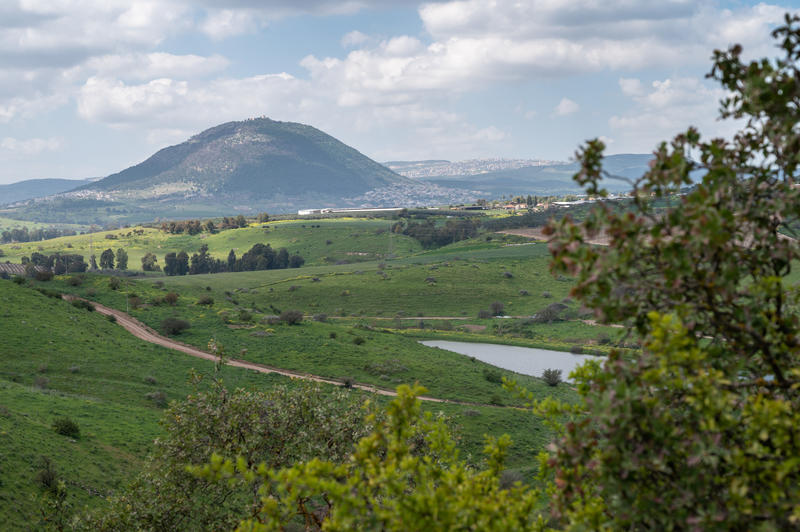
Among the reserves that were closed: Nahal Tabor, Nahal Issachar, Alot Sirin and Mount Yavniel.
The step was taken after infected animals were discovered and to prevent the spread of the disease to wildlife in the area, especially deer, which are susceptible to the virus and are in danger of extinction. The disease is not dangerous to humans.
 Want more news, videos and stories? Join the Haredim 10 WhatsApp channel >>
The Nature and Parks Authority and the Ministry of Agriculture and Food Security are urging the public to avoid entering the area, as people and vehicles could lead to the spread of the disease in the area.
In addition, the relevant local authorities - Gilboa, Jezreel Valley, Lower Galilee, Jordan Valley and Spring Valley - join in calling on residents and travelers to avoid visiting agricultural areas and open spaces on foot and by car in the area marked on the attached map.
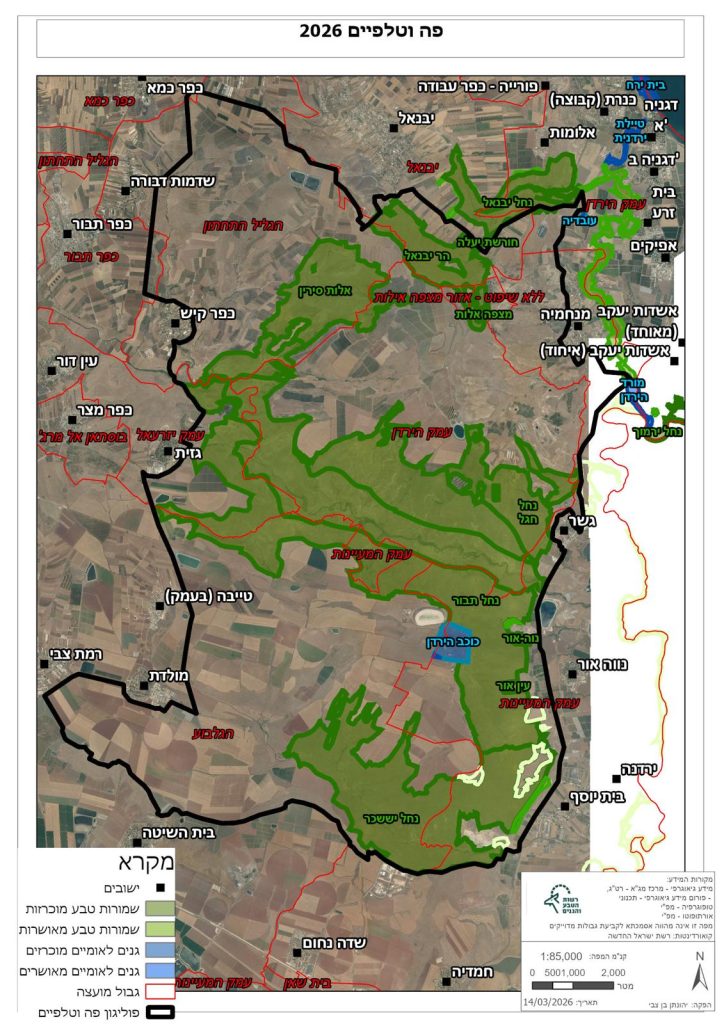
At the end of the month, a reassessment of the spread of the disease will be made.
Recently, 20 herd cows in the area were discovered to be infected with the virus, and every day, Nature and Parks Authority inspectors and shepherds in the area conduct observations of the stream to locate sick or dead cows and wild animals.
Foot and mouth disease is a viral disease that affects cattle, sheep, deer and pigs. The Nature and Parks Authority notes that on Friday, a number of deer suspected of being infected with the disease were discovered for the first time.
Dr. Amit Dolev, Northern District Ecologist at the Nature and Parks Authority, adds that deer are particularly susceptible to the virus, which often causes their death. "The disease virus is highly contagious and the main routes of infection are direct contact with the secretions of an infected animal, transmission of the virus through the air, contact with an animal or people who have passed through an infected area, and contact with objects that have been contaminated in an infected area, such as vehicles, pedestrians, etc.
""The disease is characterized by external symptoms of blisters in the mouth and on the tongue accompanied by increased salivation, and blisters on the tips of the legs. Infected animals will show signs of weakness, lameness, and slow movement. Help us preserve the deer population, which is in danger of extinction: Please cooperate and avoid entering these areas and those adjacent to them during the closure period, and in this way you can help us preserve nature and the wildlife population.".
Dr. Tamir Geshen, Director of Veterinary Services at the Ministry of Agriculture and Food Security: "Foot and mouth disease is severely affecting livestock. This year, a new strain of the virus has entered the Middle East and Israel, against which the routine vaccine does not protect, and therefore it is of great importance to curb its spread by maintaining biological safety. The veterinary services at the ministry are working on farms to reduce outbreaks of the disease, and in the process, they manage outbreaks, guide breeders, teach about emergency vaccinations and protection with the few vaccines that exist, and even vaccinate herds. We are working together with the Nature and Parks Authority to reduce the incidence and protect farm and wild animals in the area, and we ask the public to heed the instructions.".