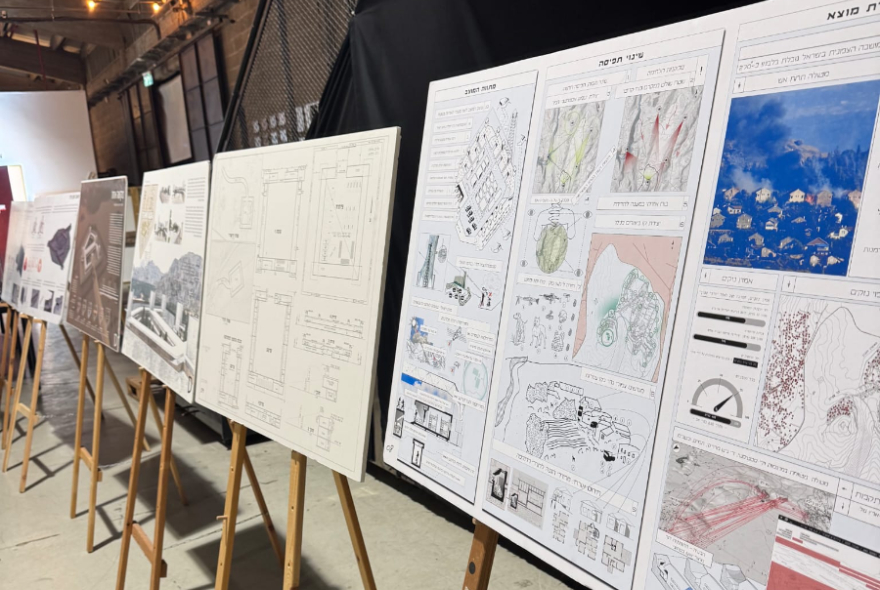
The events of October 7 raised serious questions regarding the physical planning of IDF posts on the borders. The findings showed that most of the posts were built according to a design concept that has not changed substantially since the Yom Kippur War, which left them exposed to modern threats such as explosive drones and large-scale ground infiltrations.
In response to this reality, the Association of Architects and Town Planners, headed by Orna Angel and managed by Maj. Gen. Tamir Manzur-Carmel, initiated the "Architecture that Saves Lives" competition.
The competition called on civilian architects to propose a new generation of outposts, addressing three key axes: continuous perimeter defense, operational efficiency, and maintaining the quality of life of combatants under routine and emergency conditions.
 Want more news, videos and stories? Join the Haredim 10 WhatsApp channel >>
The project was joined as a partner by the President's Award recipient, Rabbi Shlomo Raanan, chairman and founder of the Ayelet Hashachar organization. For the organization, this is a direct continuation of activities that have been underway for three decades, and even more so since the outbreak of the war.
At the beginning of the war, Ayelet Hashachar initiated the "Together at Home" project, which connects hundreds of architects and interior designers with families whose homes were damaged in the surrounding communities and in the north. The architects provided full professional support, from the planning stage to the physical restoration of the building, at no cost. The current partnership in the outpost competition represents a step up in that concept: harnessing the professional tools from the world of architecture for the benefit of supervising and protecting the lives of the fighters.
The panel of judges, headed by Maj. Gen. Giora Eiland and including architect Arna Gonen, examined 17 detailed proposals. The judging criteria focused on the post's ability to function independently under attack and realistic construction costs.
First place: The "Fortified Jumping Point" plan by Maisie Architects won. The plan proposed a model that combines passive defense systems with simple maintenance logistics.
In second place: Architect Ami Gvirtzman from Gush Etzion was ranked. His proposal focused on a post embedded within "artificial hills," which allow for complete landscape camouflage. The design includes a circular observation post that provides 360-degree peripheral vision without dead zones.
In third place: The proposal of architect Shmuel Nemat, who proposed a modular defense system integrated into the existing topography of the area, was ranked.
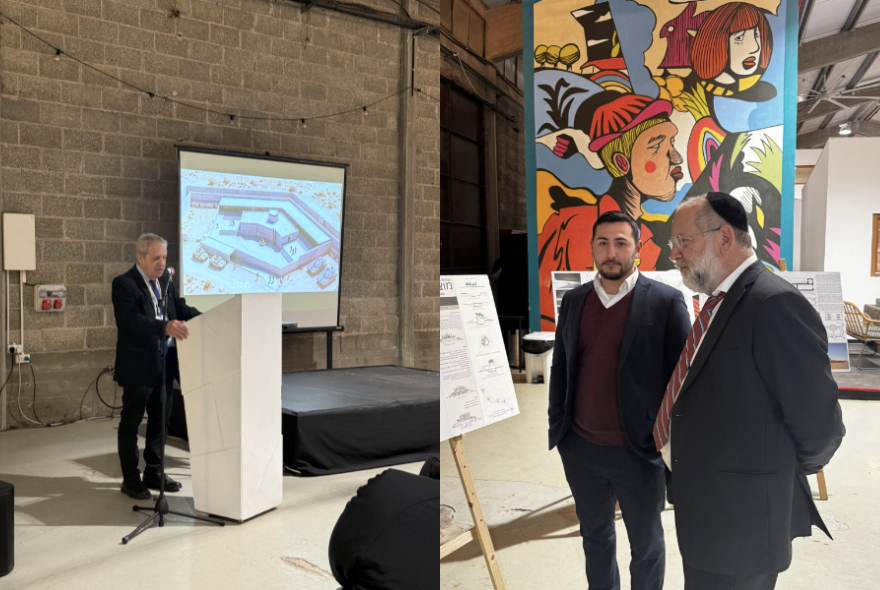
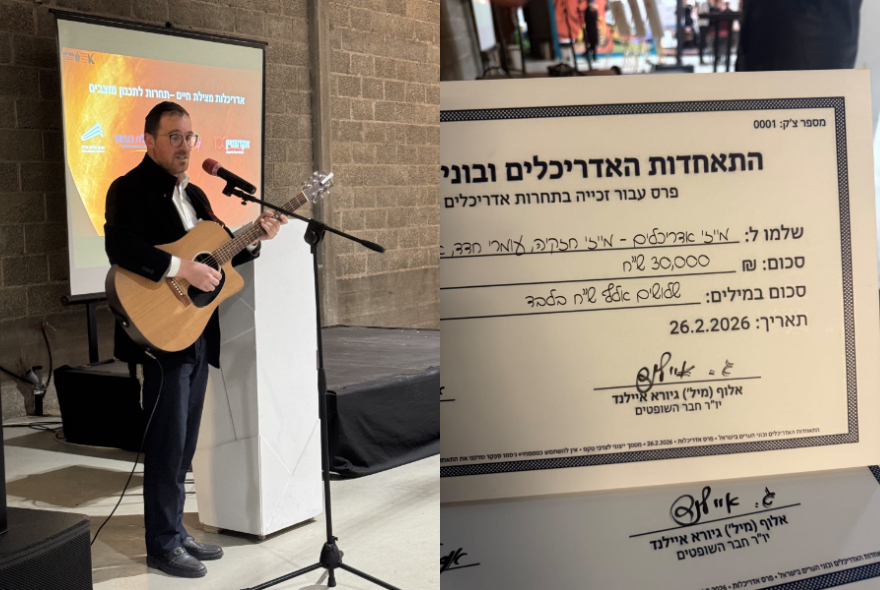
In his remarks at the awards ceremony held in Bat Yam, Rabbi Shlomo Raanan referred to the commitment to standing by the side of the fighters: "When I think of an 18-year-old boy standing at a post on the border so that I can study Torah in peace, my basic duty is to show him a favor. There is no contradiction between belief in studying Torah as a supreme value and deep love and concern for our soldiers. This partnership is a tangible bridge between architects who give of their professional talent and the fighters, to ensure that they are in the safest and most appropriate places.".
Ret. Col. Giora Eiland noted that the field of outpost construction has suffered from decades of neglect, and emphasized that the professional insights gained in the competition will be passed on to the IDF command levels for future implementation.
For the Ayelet Hashachar organization, the event concludes another period of intensive work in the field, from establishing synagogues on kibbutzim, through the rehabilitation of hundreds of homes in the "Together at Home" project, to partnership in planning the future military fortress.