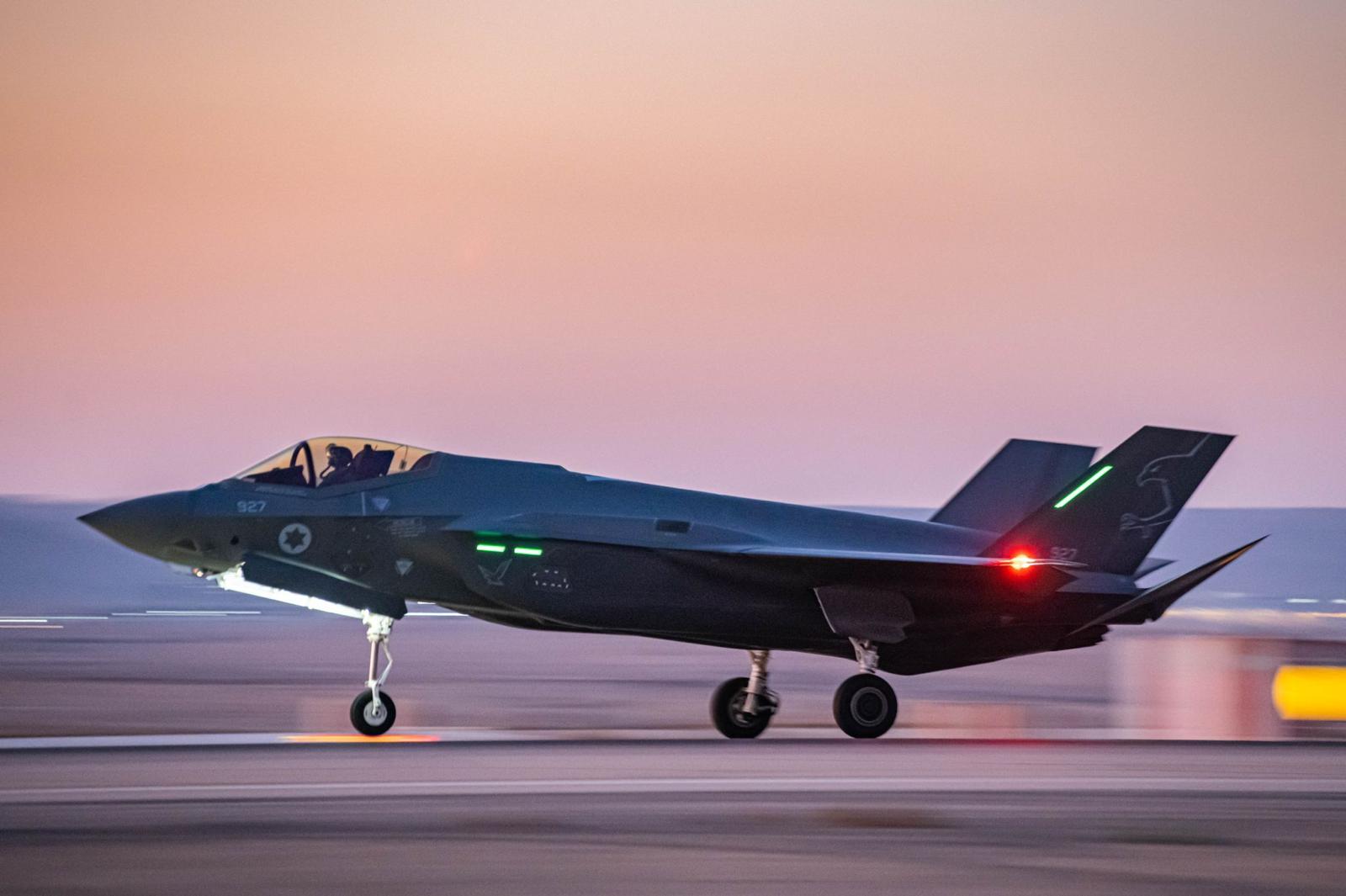
The IDF is revealing for the first time this evening (Monday) a series of attacks that disrupted attempts to transfer weapons through Syrian territory to Hezbollah in Lebanon.
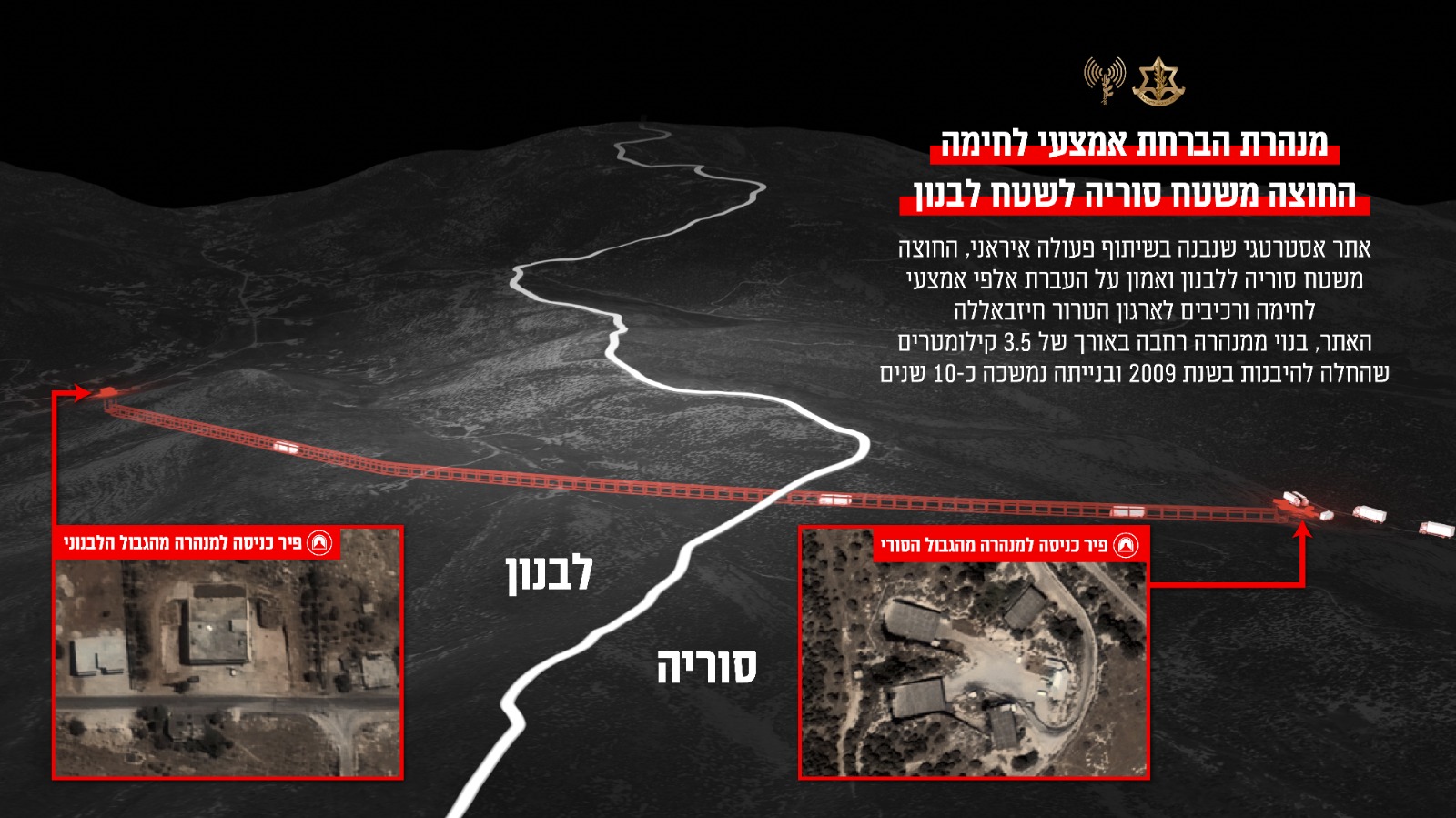
Among other things, the IDF revealed that about two months ago, a major site in Syria that was established in Iranian cooperation was attacked.
The site included a central tunnel approximately 3.5 kilometers long that crossed the Syria-Lebanon border and was used to transport and store strategic weapons for decades.
 Want more news, videos and stories? Join the Haredim 10 WhatsApp channel >>
Construction of the tunnel began in 2009 and took about 10 years.
For decades, the terrorist regime in Iran has been working extensively to finance and provide weapons to all of its proxies in the Middle East, centered on Hezbollah.
In close cooperation with Hezbollah, Iran established secret routes with the organization through Syrian territory to Lebanon, through which thousands of trucks were transported over the years, along with hundreds of planes containing thousands of missiles and other weapons components.
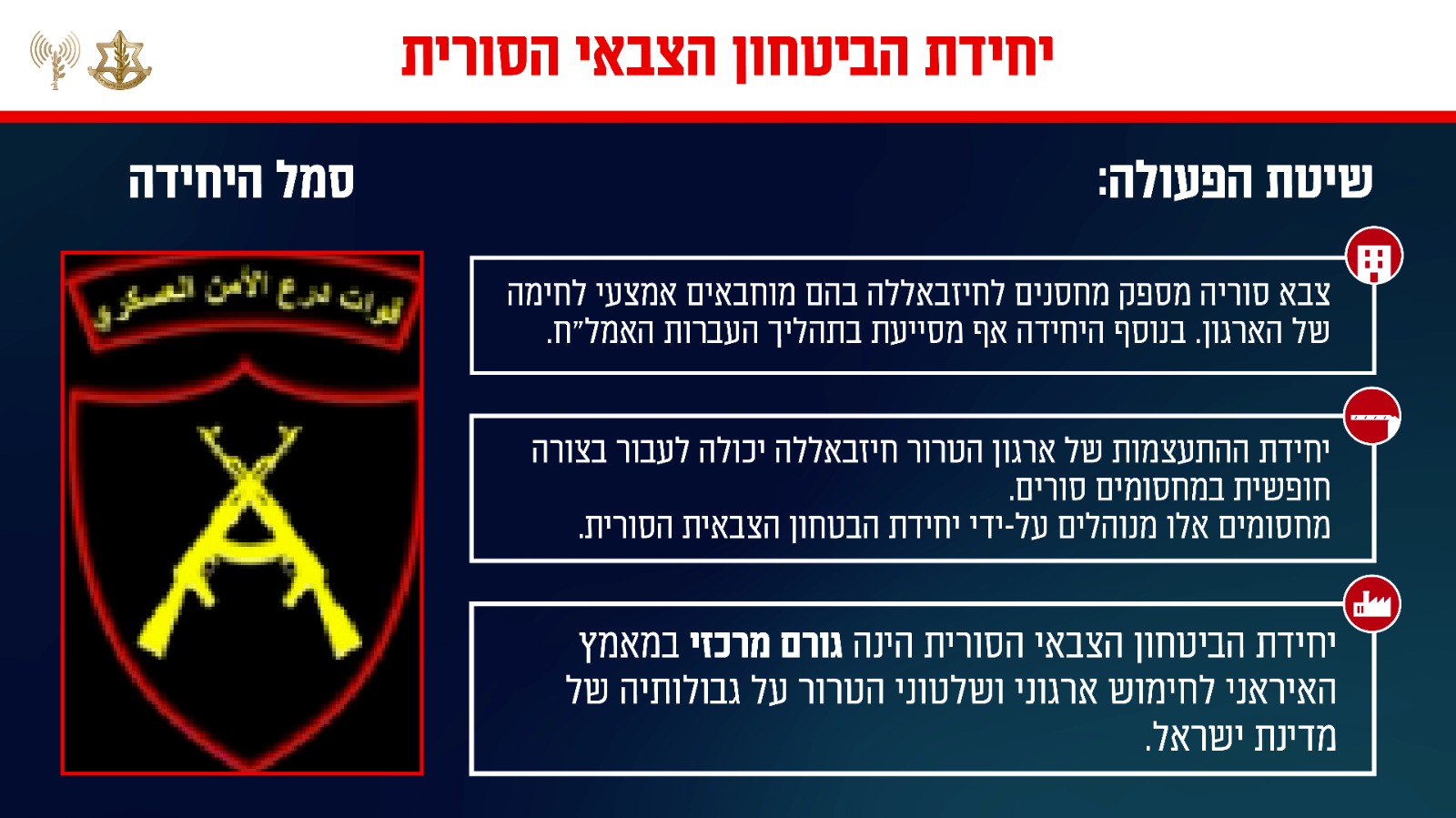
The transfer route is managed by Iran in order to arm Hezbollah with the cooperation and turn a blind eye of the Syrian regime.
Senior officials in Syria are assisting the arms transfer effort in two main ways: storing weapons prior to their transfer to Lebanon in Syrian army warehouses and providing significant facilitation at internal crossings in Syria, which are managed by the Syrian Military Security Unit (SMS).
This effort is led by Unit 4400, Hezbollah's reinforcement unit.
The unit, which was established in 2000, is responsible for smuggling weapons into Lebanese territory from Iran and its proxies and works to increase the terrorist organization's stockpile of weapons as much as possible.
Since its establishment, Unit 4400 has built numerous strategic outposts on the Syria-Lebanon border.
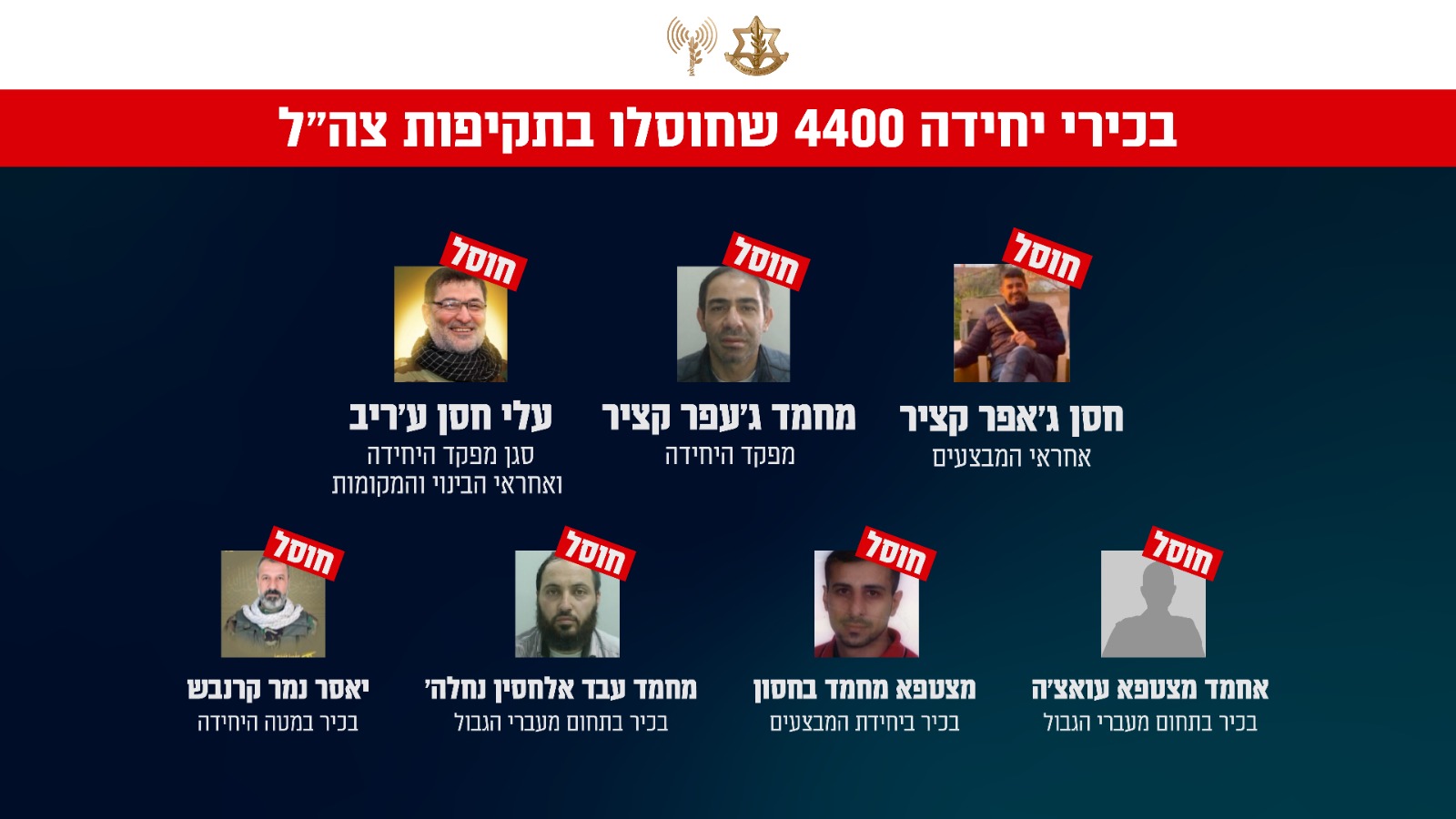
During the war and as part of Operation Northern Arrows, the Air Force, under the precise guidance of the Intelligence Division, carried out extensive attacks and numerous assassinations intended to hit Unit 4400 and the various arms transfer routes.
These efforts include the assassination of Unit 4400 commander Muhammad Ja'far Katzir in early October in Beirut and his intended replacement, Ali Hassan Gharib, a few weeks later in Damascus. Along with them, several other senior commanders in the unit were also assassinated.
The arms transfer routes that pass through Syrian territory to Lebanon have been damaged, not only in recent months but in a years-long effort led by the IDF.
Now, for the first time, it is possible to reveal a series of attacks that disrupted attempts to transfer weapons through Syrian territory to Hezbollah in Lebanon.
In this series of attacks, which were made possible by accurate intelligence built over years, the IDF damaged Hezbollah's ability to strengthen its arsenal of weapons and thus launch attacks against the citizens of the State of Israel.
""The IDF will continue to act to locate and thwart any attempt by the Iranian regime to arm its proxies in the Middle East," the IDF said.