1.
אני לא יודע אם האנשים הרבים שצמו השנה לראשונה בתשעה באב קוראים את העיתון הזה, אז אשמח שתעבירו אליהם את הדברים שלי. בוודאי נתקלתם בכמה צמים חדשים כאלה השבוע.
Did you leave trash on the beach? It's unpleasant: This is the fine you're expected to pay
מה, לא נתקלתם? לא בעבודה? לא בבניין? מוזר. אתם בטוחים שאתם מדברים מספיק עם הסביבה שלכם על יהדות? אני מזכיר לעצמי כל הזמן בימים מאתגרים אלה לא להיות דוס־סוציומט ששומר את כל האמונה לעצמו. בעת חירום זה משאב ציבורי חיוני.
בכל אופן, רציתי לומר בראש ובראשונה לכל הצמים החדשים: כל הכבוד. באמת כל הכבוד. נכון, אחרי השבעה באוקטובר, רבים־רבים הבינו את הסיפור היהודי הגדול והתחברו לשורשים, לאמונה, לתפילות. אבל מכאן ועד פעולה כה תובענית וקשה – הדרך ארוכה. ואתם עשיתם את הדרך הזאת.
הלכתם על פעולה מתמשכת, מחייבת ותובענית: זה לא להגיד פרק תהילים, זה לא להדליק נרות שבת או להפריש חלה וכיוצא באלו. זה 24 שעות ו־23 דקות (ספרתי כל דקה!) לא לאכול ולא לשתות. זה מכאיב את הראש, זה מחליש את הגוף, זה מוציא מריכוז, וגם אחרי שהצום הארוך סוף סוף נגמר - לא תמיד מרגישים טוב.
בכנות? זה הדבר האחרון שאני הייתי לוקח על עצמי, אם לא הייתי נולד דתי.
2.
מה שמוביל אותנו לדבר השני שחשוב לי להגיד לכם: ברכות, עשיתם את הדבר הכי קשה ומבאס ביהדות (אחרי ברית מילה, שגם עשיתם, אני מניח). אז עכשיו, אם אתם מסכימים לסבול ככה בגלל היהדות שלכם, מה עם להתחיל ליהנות בגללה? יש מצוות כל כך כיפיות. למעשה, כל המצוות יותר כיפיות ובטח שיותר קלות מהצום הסגפני שלכם השבוע, אבל יש כאלה שממש מוגדרות כתענוג.
למשל, שמירת שבת. אתם לא מבינים איזה דבר זה. ואגב, בעניין של האוכל - זה הכי הפוך מצום. 24 שעות שבהן כמעט לא מפסיקים לאכול. וכל אכילה נחשבת מצווה!
אבל זה יותר מזה. שבת זה לקחת את הרגש הזה, של זהות יהודית, של להיות חלק מעם גדול ומסיפור גדול, אל המקום הכי משפחתי, הכי אישי, הכי נשמתי, הכי קדוש. וזה עוד לפני שדיברנו על השלווה והאיזון שאנחנו כל כך צריכים בימים טרופים אלה.
בכנות? זה הדבר הראשון שאני הייתי לוקח על עצמי, אם לא הייתי נולד דתי.
3.
ואתם יודעים מה? גם אם עדיין כבד לכם, או מפחיד אתכם, לשמור את כל השבת, אני ממליץ לכם בחום לקפוץ לבית הכנסת הקרוב למקום מגוריכם בשבת הקרובה בבוקר, כדי לשמוע את ההפטרה של שבת נחמו. אחרת אתם עלולים להישאר תקועים בתשעה באב, וחבל. אחרי שלושה שבועות של אבל, שהגיעו לשיאם בתשעה באב, הקדוש ברוך הוא ממש קורא לנו להתנחם: "נחמו נחמו, עמי, יאמר אלוקיכם", כלשון הנביא ישעיהו. לפספס את זה, זה כמעט כמו לא לשבור את הצום.
אה, ואם כבר אתם באים לשמוע את ההפטרה, אולי תקשיבו גם לפרשה שקוראים לפניה, פרשת ואתחנן. יש בה כמה טקסטים מכוננים ממש, כמו פרשת "שמע ישראל" ועשרת הדיברות, שעליהן אומר משה: "לא את אבותינו כרת ה' את הברית הזאת. כי איתנו אנחנו אלה פה היום כולנו חיים". איזה פסוק מדהים.
משה רבנו מדגיש, בלא פחות משש מילים, כמה התורה שקיבלו אבותינו בהר סיני רלוונטית כאן ועכשיו: איתנו, אנחנו, אלה, פה, היום, כולנו.
ויש עוד כמה פסוקים, מוכרים פחות אבל לא פחות חשובים: "ושמרתם ועשיתם, כי היא חוכמתכם ובינתכם לעיני העמים, אשר ישמעון את כל החוקים האלה, ואמרו: רק עם חכם ונבון הגוי הגדול הזה!". אחרי המילים המרימות האלה, יש גם אזהרה: "רק השמר לך ושמור נפשך מאוד פן תשכח את הדברים".
הכוונה לדברים שעם ישראל קיבל במעמד הר סיני, ורש"י מפרש: "כשלא תשכחו אותם, ותעשום על אמיתתם – תיחשבו חכמים ונבונים. ואם תעוותו אותם, מתוך שכחה – תיחשבו שוטים".
מבינים? אין אמצע. יש פה שתי אפשרויות בלבד: או להיות חכם ונבון, אור לגויים, או להיות שוטה. צריך רק לבחור באיזה צד אתה. ואתם כבר בחרתם השבוע. ושילמתם על הבחירה הערכית שלכם ברעב, חולשה וכאב ראש.
כל הכבוד לכם, כבר אמרנו, אבל נראה לי שמגיע לכם עכשיו קצת מצוות כיפיות. התפנקו התפנקו, עמי.
4.
ואחרי שסיימנו להחזיר בתשובה את כל העולם, בואו נחזיר גם קצת את עצמנו: בשבת הקרובה ימלאו 80 שנה בדיוק למשפט של חנה עמנואל הי"ד במחנה ברגן־בלזן. מדהים כמה מעשה אחד של מסירות נפש למען השבת ממשיך להשפיע, שנים אחרי, דורות אחרי. והנה, אני כותב עליו שוב בפעם השלישית (וממש לא בטוח שהאחרונה). כן, שוב הגיעה תגובה שיש בה עניין לציבור.
אבל קודם, למי שמשום מה החמיץ את הפעמיים הקודמות, הנה הסיפור ממש בתמצית, מתוך הספר 'יסופר לדור - קורות משפחה בשואה', שכתב ר' יונה עמנואל. בתשעה באב תש"ד (1944) במחנה ברגן־בלזן, בעקבות עבירת משמעת, קיבלו כל האסירים עונש: אין אוכל. חנה עמנואל ניסתה בכל זאת לבשל בסתר קצת דייסה לבִתה הקטנה, ונתפסה. היא הוזמנה למשפט בליל שבת נחמו תש"ד. בדרך כלל משפט כזה לקח זמן רב, עם עדויות ותובעים ונאומים, אבל חנה חזרה מהר מאוד למשפחתה, ובפיה גזר הדין שקיבלה: שלילת מנות לחם ליומיים.
כשנשאלה למה המשפט היה כה קצר, ענתה: הנאצים ביקשו מיהודי לכתוב את הפרוטוקול. כל מילה שהייתי אומרת הייתה נרשמת על ידו, בשבת קודש. אז החלטתי לשתוק ולא לומר מילה.
אחרי שפרסמתי את הסיפור הזה כאן קיבלתי הרבה תגובות מרגשות, ביניהן גם משני אנשים שקראו על מסירות הנפש של חנה בשואה - והחליטו לשמור שבת.
5.
והנה הגיע עוד מייל נוקב ומעורר מחשבה, והפעם פנימה ולא החוצה: "שלום ידידיה, שמי מיכל אליה. בטורים האחרונים שלך הזכרת את הסיפור של חנה עמנואל והמסירות שלה למען השבת. אז זהו, חנה זו אני. לפני 20 שנה הייתי תלמידת כיתה ו' בבית הספר שלהבת. עשינו הצגת סוף שנה כמקובל, עם קטעים של נשים גיבורות בהיסטוריה (זו של לפני 20 שנה. מאז נוספו לנו כל כך הרבה...).
נבחרתי לאחד התפקידים הראשיים: אני אהיה חנה עמנואל. תאר לך את ההתרגשות של ילדה בכיתה ו' שאומרים לה שהיא מקבלת תפקיד ראשי בהצגה. לא הכרתי את הסיפור כלל, והשם לא אמר לי דבר. חיכיתי בקוצר רוח שהמחנכת תביא לי את הטקסט שלי, והנה זה הגיע. לילדה הזאת היא נותנת דף, להיא אפילו שני דפים, ולהפתעתי כשהיא מגיעה אליי היא מושיטה לי דף עם ארבע שורות בערך. אמרתי לה: 'אבל אני לא תפקיד ראשי?' והיא אמרה: 'כן, זה התפקיד'. הופתעתי מאוד.
כשלמדתי את הסיפור על שתיקתה של חנה עמנואל, הבנתי מדוע התפקיד שלי הוא לעמוד בשקט במשך משפט שלם במחנה העבודה, כשהשופט שואל אותי שאלות ואני לא יכולה להגיד שום דבר להגנתי, כדי שיהודי לא יכתוב זאת. וואו. אני בתור שחקנית בקושי עמדתי בזה, אז איך היא עמדה בזה במציאות?
את ארבע השורות שאמרתי לאחר המשפט, כשהסברתי למה שתקתי, אני זוכרת היטב עד היום, עשרים שנה אחרי: 'היה שם איש יהודי שרושם פרוטוקול, וכל מילה שהייתי אומרת היה כותב מיד! איש יהודי! בשבת קודש!...'.
אני יודעת שה' לא סתם הפגיש אותי עם הסיפור הזה, כי הוא ליווה אותי בחיים לא מעט. קודם כול, היום אני מורה בעצמי (בתתמ"ד נועם מצפה יריחו), וכבר כמה פעמים סיפרתי על התפקיד הראשי שלי לתלמידות שהתלוננו על תפקידים שונים בהצגות סוף השנה בבית הספר".
6.
"אבל זה לא באמת הדבר החשוב", כותבת המורה מיכל אליה, "לפני כמה שנים, פגשתי באוטובוס חברה שעזבה את הדרך. התחלנו ככה לדבר ולהתווכח, והיא זרקה לי משפטים על האפליה לנשים, ולמה לא מלמדים בנות גמרא וכו'. אמרתי לה שלפני כל ענייני הגמרא אולי כדאי שבנות ילמדו הלכה כמו שצריך.
היא שאלה אותי בהתרסה: 'נו, אז מה את לומדת?'. גמגמתי לה משהו, וברוך ה' הגיעה התחנה שלי וברחתי מהר מהסיטואציה.
אבל לא ברחתי מהמחשבות על כך. אני זוכרת שבאותו ערב נשכבתי במיטה וניסיתי לחשוב: 'באמת, מה את לומדת? אולי את די טובה בדיבורים, אבל במעשים - מה?'.
ואז ההצגה ההיא, מכיתה ו', קפצה לי לראש: 'איש יהודי, רושם פרוטוקול, שבת קודש', והחלטתי ללמוד הלכות שבת כמו שצריך. כן, כן. אני, דוסית מבית, אמרתי לעצמי: נקרא קצת הלכות, מה כבר יכול להיות? מה שגיליתי, לתדהמתי, זה שיש כל כך הרבה הלכות ועניינים שפדיחה ענקית לומר, פשוט לא ידעתי (חסר לי אימוג'י של קוף מכסה את הפנים...).
אז אולי, עוד לפני שנדפוק אצל השכן החילוני ונציע לו לשמור שבת, נתחיל קודם כול ללמוד (ובעזרת ה' גם לשמור ולעשות) הלכות שבת כמו שצריך. מה שכן, צריך אומץ בשביל זה. זה מפתיע ולפעמים מעט מביך לגלות כמה דברים, אפילו הכי קטנים וטבעיים שאנחנו עושים בשבת, צריכים מחשבה, דיוק ובירור לפני שעושים אותם. אז תודה שהזכרת את הסיפור שזכיתי להציג כילדה, שהביא פתאום לעוד כל כך הרבה סיפורים ותגובות. לך תדע מה המייל הבא שתקבל".
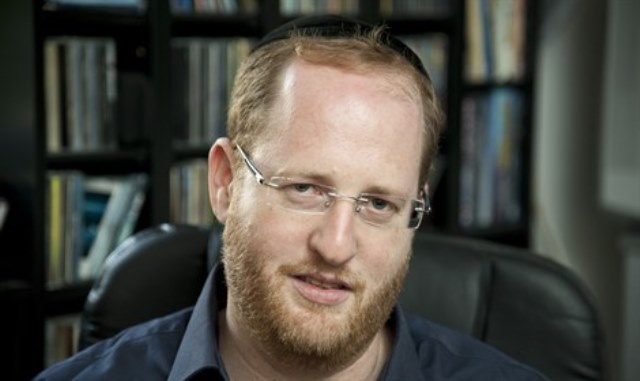
The column is published in the newspaper 'Bisheva'.'

 Join the Haredim 10 Facebook page >>
 Join the X page of Haredim 10 >>
 Want more news, videos and stories? Join the Haredim 10 WhatsApp channel >>