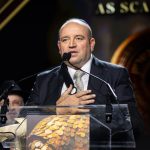
Shlomi Lahiani's reaction to the sentence imposed on him this morning (Tuesday) by Tel Aviv Magistrate's Court Judge Benny Sagi revealed that even Lahiani was surprised by the lenient sentence imposed on him.
""I thought the matter would end differently. It's hard for me to comprehend that the loans I received at the beginning of my journey over 10 years ago in a transparent and open manner are producing this result," he said to Hayani, in a response that he had most likely prepared in advance in case he was sent to prison.
Lahiani apparently forgot to update the response, which he read from his cell phone. Lahiani was pleasantly surprised by the sentence, but the prosecution was unpleasantly surprised, and is considering filing an appeal against the sentence.
 Want more news, videos and stories? Join the Haredim 10 WhatsApp channel >>
The prosecutor's surprise stemmed mainly from the fact that in other cases where public figures were convicted of crimes of breach of trust, they were sent to prison.
For example, the former director of the Tax Authority, Jackie Mazza, was sent to prison for a year several years ago, in the Tax Authority appointments affair, for his conviction in a plea bargain for offenses of breach of trust (and one offense of aiding and abetting bribery).
Judge Sagi justified his decision to impose a lenient sentence on Lahiani with three main reasons: Lahiani's acceptance of responsibility for the actions and his early admission of this; his public contribution; and, most importantly, his good deeds that were done regardless of his tenure.
Sagi gave several examples of cases in which Lahiani came to the aid of people in distress with rare generosity, and asked that the actions not be treated with the cynicism that the media and the public sometimes commit.
Sagi did state that Lahiani's actions were disgraceful, and that this had great significance - removing the man who wanted to be prime minister from the public arena for a long period - but the question of disgrace was hardly controversial, and Lahiani's defense attorneys did not even argue in his defense on this matter.
In retrospect, it can already be determined that the prosecutor's agreement to waive the charge against Lahian because his actions constituted taking a bribe, as part of the plea agreement, was what ultimately led to him not serving time in prison.
Thus, a problematic legal and factual situation was created in which a former mayor who was convicted of soliciting and receiving donations for a charitable organization, such as Uri Lupoliansky (who previously served as mayor of Jerusalem), was sent to 6 years in prison - while a mayor who was convicted of receiving (as loans) hundreds of thousands of shekels from businessmen with interests in his city, remained free.