A new survey conducted by Geocartography for Admonis, which developed an automation platform for managing and operating online marketplaces and stores, examined the consumption habits of Israelis when it comes to online shopping.
The survey included a representative sample of 500 men and women, constituting a nationally representative sample of the adult population in Israel.
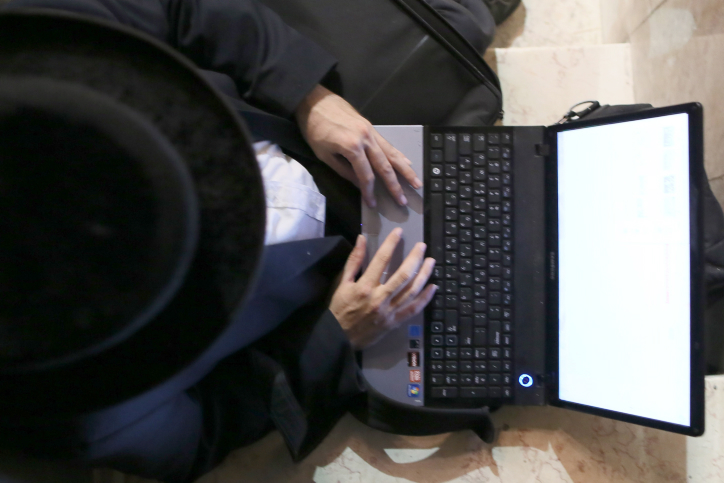
The survey data on the religious-Haredi sector shows that, with regard to online shopping hours, approximately 141% of respondents shop online during working hours. In contrast, approximately 40% of respondents prefer to do so in the evening; 20% at night, and only 51% on weekends.
 Want more news, videos and stories? Join the Haredim 10 WhatsApp channel >>
Very few people order online in the morning, before work (5%).
Approximately 16% answered that they do not purchase at all via the Internet, and surprisingly, these are percentages that are not significantly higher than the secular (14.7%) and traditional (13.3) sectors.
In addition, the survey examined among those who define themselves as religious/ultra-Orthodox and who shop online, which categories they would prefer to purchase only in physical stores and not online.
In first place were footwear (54.8%) and furniture (38%). In third place was the clothing category with about 34%. The sporting goods category was mentioned in last place with about 12%, while about 4% of the respondents answered that they do not have such a category and are willing to purchase anything online.
When it comes to food, about 381% of Americans would prefer not to purchase online.
Neil Admoni, CEO of Admonis: "From the data we have collected over the past three years regarding consumer behavior in online purchases, we can conclude that the coronavirus accelerated processes that were supposed to happen organically - it accustomed 'new' consumers to purchasing online. This trend is also evident in the survey, and certainly during the coronavirus period we saw that additional sectors joined the network, including the ultra-Orthodox.".