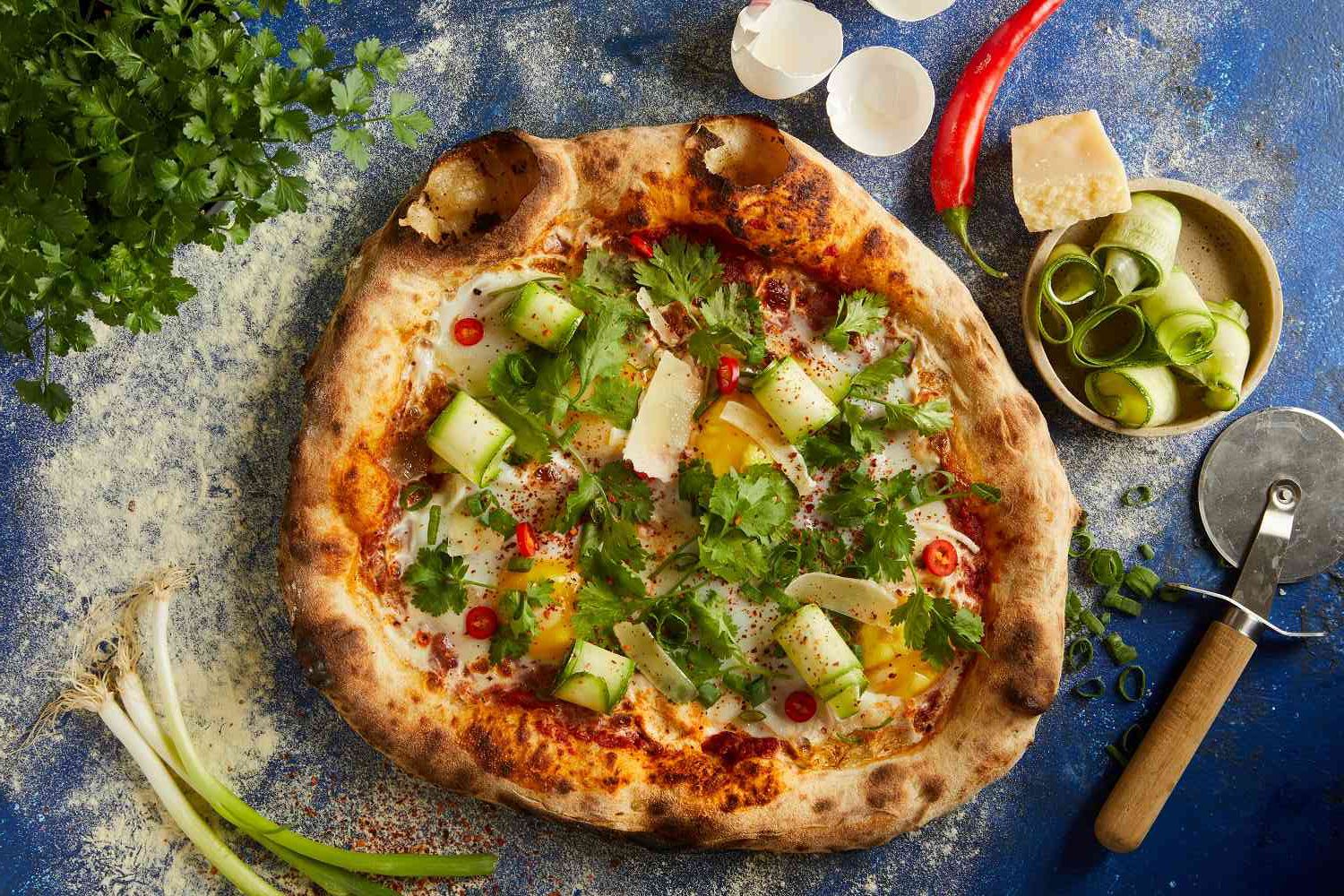
מה יותר טוב מבצק, רוטב וגבינה? הפיצה היא המנה האיטלקית שכולנו אוהבים. אפשר למצוא אותה במסעדות הכי נחשבות, וכמובן בפיצריות העממיות, אך אפשר גם להכין פיצה בבית - משלב הבצק ועד בחירת הרטבים והתוספות.
לשם כך מוגשים 5 כללים שאם תעקבו אחריהם, מובטחת לכם פיצה מענגת וטעימה להפליא.
קדימה לעבודה.
1. סבלנות
סבלנות היא המפתח. בצק הוא מוצר "חי", שצריך להעביר אותו תהליך נכון על מנת שיגיע לתוצאות אידיאליות.
מערבבים 620 מ"ל מים עם 3 גרם שמרים טריים, עד שמגיעים למרקם של בלילה. נותנים לבלילה מספר דקות מנוחה. לאחר מכן מוסיפים 1 ק"ג קמח לפיצה ו-30 גרם מלח ולשים היטב במיקסר, עד למרקם אחיד של הבצק.
מניחים להתפחה כשעה במקום חמים. לאחר ההתפחה מחלקים את הבצק לחלקים לפי כמות הפיצות שרוצים להכין.
מקילו קמח מתקבלים כ-7-8 כדורי פיצה במשקל 250 גרם. ניתן גם לרכוש כדורי בצק מוכנים לפיצה העשויים מבלנד של קמחים איטלקיים בשילוב מחמצת יבשה (ניתן להשיג באתר פסטה ריקו).
2. התפחה
טמפרטורת החדר משתנה מבית לבית וכן בכל אזור בארץ ובין עונות השנה. לכל אזור התפחה יש תנאים משלו. ההמלצה שלי היא בחורף להשאיר למשך 4-5 שעות להתפחה על השיש, ובקיץ כאשר חם (ללא מזגן) כשעה עד שעתיים. ככל שהבצק הופשר יותר זמן במקרר (כשמדובר בכדורי הבצק הקפואים של ריקו), כך זמן ההתפחה בחוץ יהיה קצר יותר. שימו לב כי הבצק יכול להגיע עד פי 4 מגודלו המקורי.
3. פתיחת הבצק
אני ממליץ על פתיחה ידנית, כפי שעושים האיטלקים, ולא באמצעות מערוך או אמצעים אחרים. מומלץ לפתוח את הבצק על קמח מחיטת דורום, קמח עשיר בחלבון שמקנה לבצק גמישות ורכות וכך הוא נוח לעבודה (קמח רימאצ'ינטה של פסטה ריקו מותאם לכך).
כאשר פותחים את הבצק ידנית יש להשאיר שוליים. גם אם פתיחת הבצק לא יצאה באופן סימטרי - אל דאגה, הפיצה עדיין תצא לכם טעימה.
4. בניית הפיצה
אני מאמין בתיבול על גבי בצק הפיצה. לאחר שפתחנו את בצק הפיצה, יש למרוח עליו פולפה - עגבניות איכותיות קלופות ומרוסקות - מעט שמן זית איכותי או שמן שום (ערבוב של שמן זית עם שן שום קצוצה).
יש להשאיר מרחק של חצי ס"מ מהשוליים. מפזרים מעל צרור עלי בזיליקום, כ-30 גרם גבינת פרמז'ן מגורדת וכ-60 גרם מוצרלה מגורדת (ניתן להחליף בכחצי כדור מוצרלה טרייה), בוזקים מעט מלח והפיצה מוכנה לאפייה.
5. אפייה
האפייה צריכה להיעשות בתנור או בטאבון בחום מקסימאלי. בשימוש בתנור ביתי, יש לחמם לחום מקסימאלי בתכנית טורבו, גוף חימום עליון ותחתון. רצוי להשתמש באבן פיצה או משטח אפייה ייעודי. יש לאפות מספר דקות, עד לאפייה מוחלטת של תחתית הפיצה.
מאחר וכל תנור הוא שונה יש לבדוק בעת האפייה.
בשימוש בטאבון, יש לחמם לחום מקסימאלי של 400-450 מעלות צלזיוס. זמן האפייה בטאבון הוא דקה עד דקה וחצי ויש לסובב את הפיצה לאחר כ- 40 שניות.
רן מיכאלי הוא שף ומנהל תחום מקצועי בחברת פסטה ריקו, החברה המתמחה בייצור פסטה טרייה בשיטה איטלקית מסורתית ובפיתוח בצקי פיצה מקמחים איטלקיים עבור מסעדות ורשתות בתי מלון. כשרות
Under the supervision of the Badatz Beit Yosef and the Beit Dagan Rabbinate.

 Join the Haredim 10 Facebook page >>
 Join the X page of Haredim 10 >>
 Want more news, videos and stories? Join the Haredim 10 WhatsApp channel >>