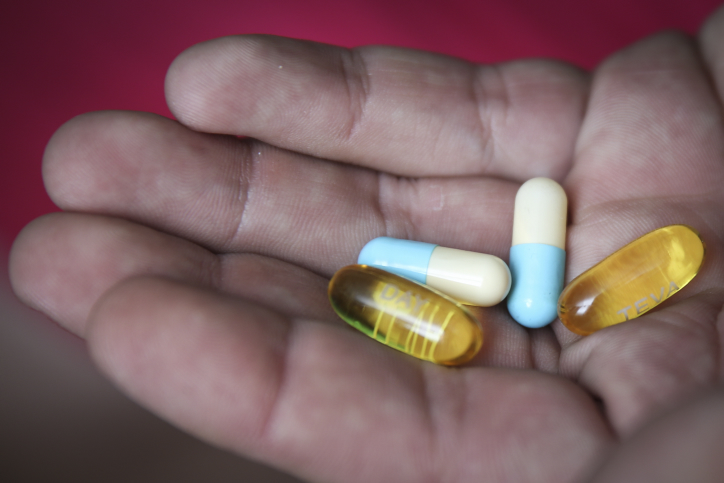
The Public Committee for Expanding the Health Services Basket for 2023 recommends the introduction of over 120 medicines and technologies, including treatments for approximately 350,000 people, at a total cost of 650 million shekels.
Business owners? Grow on it: You too deserve to grow to number one
The committee's recommendations indicate that the state will subsidize eyeglasses for children up to the age of seven - so that parents will have to pay a maximum of 100 shekels, or only 10 percent of the price of the glasses, the cheaper option. Health funds will be required to fund surrogacy for male couples, the state will fund abortions for all women up to the age of 40, and a series of new treatments for cancer patients have been approved, along with new vaccines that will receive public funding.
 Want more news, videos and stories? Join the Haredim 10 WhatsApp channel >>
Among the prominent drugs and technologies that the committee recommends for inclusion in the basket:
Prevention and public health: vaccination against shingles for at-risk populations and those aged 65 and over, Prevnar vaccination against lung infections, eyeglasses for children up to age 7, expanding the ages eligible for screening tests during pregnancy, and more.
The world's most advanced treatments for cancer patients: immunotherapy drugs for breast, kidney, skin cancer and more, genetic testing for tumors to tailor the best treatment for their disease, drugs for multiple myeloma, personalized drugs, advanced therapies and more.
Treatments for chronic diseases: medications for diabetes, nephrology, neurology, pulmonary medicine, cardiology and many other medical fields. Various technologies, including: a hybrid continuous glucose monitoring system and insulin infusion – expanding eligibility for children with juvenile diabetes, speech therapy for people who stutter, pulmonary rehabilitation and more.
The most expensive drug from the basket budget is "Darzalex" for multiple myeloma cancer patients, with approximately 85 million shekels of the budget allocated for these patients. The drug is very expensive, but its results are groundbreaking.
As every year, many new drugs and technologies were left out of the basket. A heated debate was held over the question of whether to include drugs for the treatment of obesity such as the injections "Vigovi" and "Ozampic". The committee members justified the decision not to include the injections for the treatment of obesity by saying that there is a global shortage and therefore there will be difficulty in obtaining supplies, and by the very expensive cost of the drug since it will be given to a large population of patients - 72 million shekels for about 18 thousand patients.
It was also decided to leave out of the basket the "Bexarro" vaccine for the virulent meningococcal B bacteria, which in exceptional cases causes the death of children, as happened this winter in Israel and around the world. The discussion about introducing the vaccine continued until the last minute, but even in this case, the cost is very high - more than 100 million shekels from the basket budget. A vaccine for meningitis also remained out of the basket of medicines.
This year, the committee was headed by Prof. Dina Ben Yehuda, and as every year, the committee's work was coordinated by Dr. Osnat Luxenburg, head of the Medical Technologies Division at the Ministry of Health. The committee members included representatives of the health funds: Dr. Niki Lieberman (Clalit), Dr. Daniel Landsberg (Maccabi), Dr. Dov Albuquerque (Meuhedet) and Prof. Shlomo Winker (Leumit). The Finance Ministry representatives are Noa Heyman and Roy Reicher from the Budget Division, and Lior Barak was appointed on behalf of the Ministry of Health.
Health Minister Aryeh Deri said: "The recommendations of the Medicines Basket Committee that were submitted to me today concern all citizens of Israel. I am proud that the addition to the medicines basket we brought this year is the largest ever in the State of Israel - 650 million shekels. Thanks to this addition, oncology medicines, preventive technologies and life-extending products that were not planned to be included in the basket were included this year. These technologies and medicines will allow the weaker sections of society to receive much better and much more advanced medicine. Good luck to all those involved in the work.".