בשנים האחרונות אנחנו נוהגים להביט מדי כמה חודשים בכדור הבדולח הפרטי ומנסים לחזות מי יהיו הלהיטים הבאים בשוק ציי הרכב. התחזית, אם יורשה לנו לטפוח לעצמנו על השכם, הייתה די מדויקת עד היום. אבל החיזוי הופך לקשה יותר משנה לשנה. ציי הרכב וחברות הליסינג מגלים כיום פתיחות מפתיעה ביחס לדרישות העובדים. לא זו בלבד שהמגוון המוצע לבחירה גדול יותר, אלא שכיום הרבה מאוד מעסיקים מאפשרים בחירות "אישיות" כמו ג'יפונים, רכבי פנאי, כלי רכב עם מנועים שונים מהסטנדרט, ואפילו, רחמנא לצלן, כלי רכב בצבעים יוצאי דופן.
נכון שעדיין יש ציים השואפים שכל העובדים יישרו קו, יוותרו על הזהות האישית וייטמעו בתוך הקולקטיב הגדול, אבל למרבה המזל המדיניות של מידה אחת (סדאן 1.6) וצבע אחד (לבן) לכווולם הולכת ונעלמת.
אז מי יהיו הלהיטים הבאים בשוק הזה, שהיקפו כ-14 מיליארד שקלים בשנה? הפעם הלכנו על כמה בחירות שנראות בטוחות וצפויות - אבל עם פתח להפתעות.
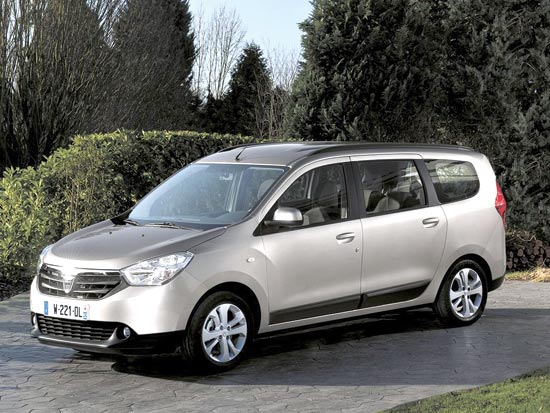
Dacia Lodgy: Category-breaking price
Leave aside the sectarian jokes for a moment. Yes, we know that this is a Romanian brand from a French company, manufactured in Morocco - which means that every Talkbacker within a 600-kilometer radius will try to get "likes" by making jokes about Romanians and Moroccans. Israeli car fleets are less sensitive to image, and what they will see in front of them is the bottom line: modern vehicles, the backing of a well-organized importer, and category-breaking prices.
ניקח למשל את המיניוואן Lodgy, שיוצב בחזית הדגמים החדשים של דאצ'יה בארץ. במחיר דומה לזה של מכונית סופר-מיני (בסביבות 90 אלף שקלים, על-פי הערכות שטרם אומתו) יקבלו הלקוחות המוסדיים מכונית רב-תכליתית אמיתית. הלודג'י אמנם ארוכה כמו מכונית סטיישן טיפוסית אבל יש לה בסיס גלגלים מכובד ושבעה מקומות ישיבה בשלוש שורות, כאשר השורה השלישית מציעה, על-פי טענת רנו, את מרווח הרגליים והראש הטוב ביותר בקטגוריה שלה.
כאשר מוותרים על חלק ממקומות הישיבה מקבלים מסחרית עם פוטנציאל לשמש כרכב שירות והובלות. בתצורה של חמישה מקומות ישיבה עומד נפח המטען על 827 ליטרים, וכאשר שתי שורות המושבים האחוריות מקופלות מזנק הנפח ליותר מ-2,600 ליטרים - כמו בליגה של מסחריות ייעודיות.
היצע המנועים כולל יחידות ותיקות ומוכרות דוגמת הטורבו-דיזל 1.5 ליטרים של המגאן, עם הספקים של תשעים ושל 110 כוחות סוס, ומנוע ה-1.6 ליטרים בנזין העתיק. לצדם תוצע המכונית גם עם מנוע 1.2 ליטרים טורבו-בנזין חדש, שמציע הרבה מומנט וחיסכון מופלג בדלק.
אז נכון שהלודג'י - ושאר דגמי דאצ'יה - יגיעו עם תיבה ידנית בלבד ורק עם מינימום הכרחי של גימור, של עיצוב פנים ושל אבזור. אבל בתקופות של הידוק חגורה, ועם שווי שימוש המבטיח להיות נמוך במאות שקלים מזה של דגמים מקבילים עם שבעה מקומות ישיבה, לא נופתע אם הבדיחה תהיה על חשבון המתחרים.
מתי בארץ? בתחילת 2015, או אולי מעט לפני כן
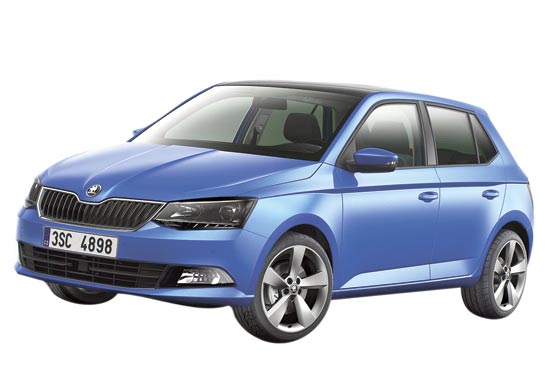
 Skoda Fabia 2015: German specs, Korean price
את עיקר הזינוק המטאורי שלה בשנים האחרונות בישראל חייבת סקודה לציי הרכב. הציים מחלו על שיקולי תדמית ויוקרה ופתחו בפני סקודה את הדלתות לכל דרגי העובדים - מהמנהלים הבכירים ועד לעובדים הזוטרים. משם כבר זלגו המכירות גם ללקוחות הפרטיים. לפיכך השקתה של הפאביה החדשה צפויה להעלות גלים בשוק המקומי, במיוחד אם מדיניות התמחור האגרסיבית של הדגם היוצא תימשך.
הפאביה דור 3 מבוססת על פלטפורמת MQB המודולרית החדשה של קבוצת פולקסווגן, המשרתת גם את פולקסווגן גולף ופולו, את סקודה אוקטביה, את סיאט ליאון ועוד. בזכות אותה פלטפורמה מודרנית הפאביה דור 3 קלה יותר בארבעים קילוגרמים מקודמה - היא שוקלת פחות מטונה בגרסת הבסיס - אבל גם קשיחה וחסונה יותר.
העיצוב עדיין מצטנע, בלשון המעטה, אך המפרט מראה שהיא מעט קצרה יותר אבל נמוכה ורחבה יותר בצורה משמעותית מקודמתה, מה שמקנה לה יציבה אגרסיבית וספורטיבית יותר. בסיס הגלגלים צמח רק בחמישה מילימטרים, אך סקודה טוענת שהודות לשינוי יסודי בעיצוב הפנים המכונית הרבה יותר מרווחת.
החידושים העיקריים נמצאים באגף המנועים, ובראשם ניצב מנוע טורבו-דיזל חדש בנפח 1.4 ליטרים, שבגרסה ה"ירוקה" ביותר שלו רושם צריכת דלק ממוצעת של כשלושים קילומטרים לליטר ופליטה נמוכה מזו של מכונית היברידית. המנוע הזה יוצע גם בגרסה אוטומטית עם תיבת DSG, אבל רב המכר המקומי יהיה, כבעבר, מנוע ה-1.2 ליטרים טורבו-בנזין, שגם הוא יוצע עם אופציה ל-DSG. באירופה לפחות ניתן יהיה לרכוש את המכונית גם עם מנוע שלושה צילינדרים בנפח ליטר, אך ספק אם הוא יגיע אלינו.
מתי בארץ? ברבעון ראשון/שני 2015
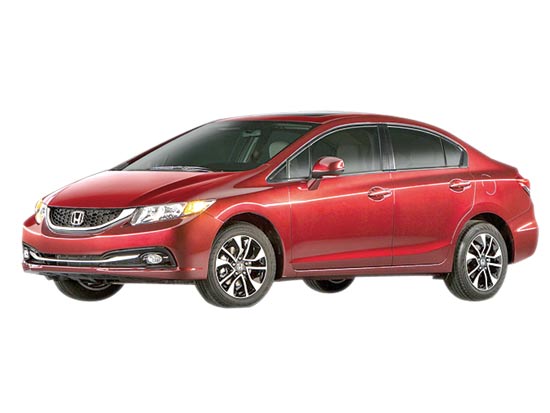
 Honda Civic USA: A tourist from a parallel world
""Well, what could possibly be new about the Honda Civic and what is its relevance to the fleet?", you're probably asking. Well, two things: The first is that for the first time in many years, a Honda Civic made in the United States, with strictly American specifications, is landing in Israel, to be sold alongside the familiar European Civic; the second innovation is that the corresponding importer of that Civic is none other than Alber, one of the three largest leasing companies in the Israeli market.
For those who don't remember (and it's easy to forget), at the beginning of the decade the Ministry of Transportation announced a "revolution" that would allow entrepreneurs to import new vehicles through regular commercial imports even without a direct contract with the car manufacturers. In other words, a parallel route that bypasses regular importers. But the years passed, the manufacturers resisted, and parallel imports became nothing more than an empty symbol with less than 150 cars sold per year so far.
בשנה שעברה החליטה "אלבר" שהיא חזקה מספיק כדי להתגבר על האופוזיציה של ענף הרכב הממוסד, והחליטה להתחיל ביבוא מקביל. כעת העסק עדיין נמצא בשלב הפיילוט, עם יבוא ושיווק בפרופיל נמוך, שנועד לשמור על האופרציה מתחת למסכי הרדאר של היבואנים.
אבל התחלת היבוא של הסיביק האמריקאית, עם תמחור שחותך את מחיר הסיביק האירופית מיבוא סדיר בכמה אלפי שקלים, היא לא עניין של מה בכך. מדובר במשפחתית יפנית, עם פוטנציאל חדירה נרחב בשוק הישראלי. המכונית עצמה היא הדור המחודש של הסיביק, שנמכר בארצות הברית כבר מ-2013 ועדיין לא הגיע לאירופה. חיצונית למכונית יש חרטום בעיצוב מודגש יותר מזו של המכונית האירופית, גלגלים בעיצוב שונה, וזנב מעודכן. גם תא הנוסעים מכיל כמה שינויי עיצוב, שעיקרם בקונסול המרכזי.
המנוע הוא אותו 1.8 ליטרים מוכר של המכונית האירופית, אך תיבת ההילוכים היא CVT מדור חדש עם העברה שאמורה להיות רהוטה יותר ועם שבע מהירויות שונות. למכונית יש רמת אבזור גבוהה יחסית כבר בדרגת הבסיס, אם כי המפרט הסופי עדיין לא לגמרי סגור.
מתי אצלנו? על הנייר כבר עכשיו. אבל בשלב הנוכחי לפחות רק לפרטיים או להזמנות בה יקף מוגבל.
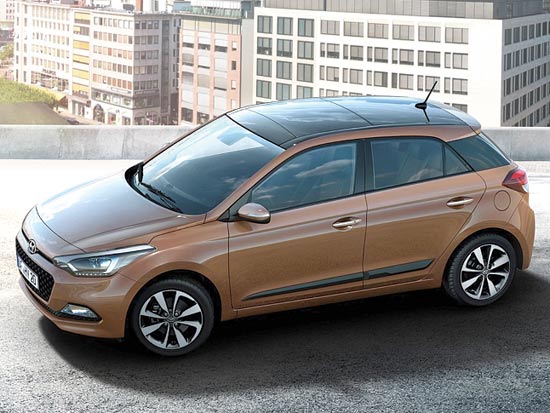
 Hyundai i20 2015: Out of the box
The late Hyundai Getz was never an impressive car. It was a square box with cheap quality materials, a rough and noisy engine, an outdated gearbox and rather questionable dynamic ability. But it was spacious, and above all, incredibly reliable and cheap, which charmed institutional customers who were able to receive impressive discounts on it. The bottom line was a groundbreaking car from a business perspective - one that put Hyundai deep into the offerings of leasing and rental companies in Israel, and placed the Getz, and later the i20, at the top of the sales chart in the super mini segment.
Therefore, even before the new i20 has landed here, it is already possible to bet that it is guaranteed a solid future among leasing and rental companies. But today's Hyundai is a different company, and the car is also aimed at a different audience: private, well-off and seeking pampering. The car delivers this with a new and sophisticated design, reminiscent of the i30 but without the ostentatious curves. It is a design that to a large extent "sets a school" for the conservatism of Volkswagen, Ford and the rest of the European elite.
עיצוב הפנים מיישר קו עם המראה המתוחכם של דגמי הדור האחרון של יונדאי, וכולל, בין השאר, מסך מגע גדול כסטנדרט, ושאר הגדג'טים הבידוריים והבטיחותיים המקובלים. המכונית עצמה מרווחת יותר מקודמתה, ויונדאי טוענת ליכולות דינמיות בליגה אירופית - טענה שתצטרך להיבדק בשטח.
באגף המנועים עדיין לא שוחררו כל הפרטים, אם כי בשוקי אסיה, שבהם היא כבר הושקה, מוצעים מנוע 1.2 ליטרים בנזין מדור חדש ומנוע טורבו-דיזל בנפח 1.4 ליטרים. אפשר להניח שלפחות בשלב הראשון תגיע אלינו המכונית עם המנועים של ה-i20 הקיימת, אך זו תהיה רק הקדמה למנועי הטורבו בנזין הקטנים שמפתחת כיום החברה עבור כל דגמיה.
מתי אצלנו? בתחילת 2015
 The full article in G Magazine

 Join the Haredim 10 Facebook page >>
 Join the X page of Haredim 10 >>
 Want more news, videos and stories? Join the Haredim 10 WhatsApp channel >>