The difficult day in the history of the State of Israel and the start of the 'Iron Swords' War required, in addition to fighting, Israeli society to cope with tragic events such as loss of life, physical and mental injuries, and social and economic disruption.
Don't miss: The big raffle for a Torah scroll and prizes worth 150,000 NIS
These events provoked diverse reactions among different groups in Israeli society, emphasizing the need for a deep understanding of personal, family, community, and national resilience in the face of complex crises.
Prof. Orna Levinson-Brown, a researcher in the Conflict Management and Settlement Program, and Dr. Tehila Kalaji from the Department of Management and Public Policy at Ben-Gurion University of the Negev, set out to examine the differences in the ways secular, traditional, religious, and ultra-Orthodox Israelis coped with the October 7 attack and the war that followed. The goal of the study was to contribute to a deeper understanding of the forces available to Israeli society in times of crisis.
For the study, they sampled 1,024 participants from various social groups. The average age was 43, with 32.41% of participants reporting themselves as secular, 16.71% as traditional, 18.21% as religious, and 32.71% as ultra-Orthodox.
The sample included self-report questionnaires designed to measure a sense of hope, family quality of life, coherence and understanding of the situation, community resilience, national resilience, and psychological/emotional distress, alongside socio-demographic data.
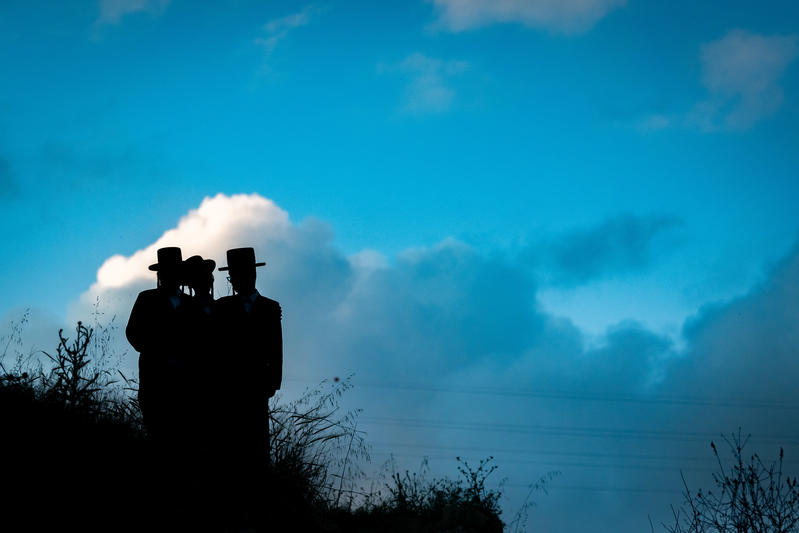
The data analysis revealed that all groups in Israeli society demonstrated high levels of personal, family, and community resilience. However, most groups reported high levels of psychological distress, which exceeded the accepted norms in Israel, in contrast to Haredi society, which reported significantly lower levels of emotional distress.
The findings also showed that a sense of coherence, defined as the ability to give meaning to events that happen to us, to navigate the world, and to understand what is happening, was a key resource in reducing psychological distress among all groups. A sense of hope was also found to be an important factor contributing to mental health and less psychological distress across all sectors.
However, national resilience, which is found to be significant in secular, traditional, and religious society, is not found to have a significant impact among Haredi society, which emphasizes the distinctive characteristics of this sector.
Following the 7/10 attack, there appears to be a crisis of trust between the state and its citizens, but those who believe that the leadership will take care of them in a time of crisis report less psychological distress.
In contrast, among the ultra-Orthodox, resilience is based on social and religious values that reduce the need to rely on national resilience. These findings highlight the cultural complexity of resilience and crisis in a multicultural country.
""In collectivist communities such as religious and ultra-Orthodox ones, social support networks and an emphasis on shared values provide the individual with a sense of security and belonging, which leads to lower levels of psychological distress and a strengthened sense of coherence and personal resilience," said Dr. Kalaji.
The findings provide insights into understanding the impact of crises on Israeli society and create a basis for developing policies tailored to the various currents, to strengthen resilience and reduce emotional distress during future crises.
""There is significant similarity in the mechanisms that explain the levels of emotional distress among all groups. These findings emphasize the fact that even in a society as diverse as Israel, resilience and coping mechanisms operate on the basis of common principles, with differences being expressed mainly in cultural contexts and the way in which these resources are shaped and embedded in each group," said Prof. Brown-Levinson.
 Join the Haredim 10 Facebook page >>
 Join the X page of Haredim 10 >>
 Want more news, videos and stories? Join the Haredim 10 WhatsApp channel >>