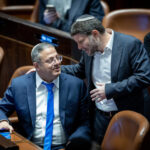
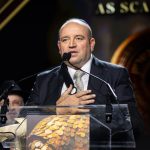
For the first time in 75 years of independenceA heated confrontation broke out last night (Thursday) between Minister Miri Regev, who is responsible for Independence Day events, and Knesset Speaker Amir Ohana after she informed him that he would not speak at the torchlight ceremony.
According to a report by Yair Sharki on Channel 12, Ohana, in response, ordered the Knesset Guard to stop cooperating with preparations for the ceremony.
It should be noted that, according to protocol, the main speaker at the ceremony throughout its years of existence is the Speaker of the Knesset.
 Want more news, videos and stories? Join the Haredim 10 WhatsApp channel >>
In a phone conversation between the two - which was described as "difficult" and ended with a phone call - Regev informed Ohana that because of the war and the length of the ceremony this year, he would not be able to speak, but she suggested that he say a few sentences when the torch was lit.
In response to Regev's remarks, Ohana announced that if there is no speech by the Knesset Speaker, the Knesset will not be part of the ceremony. In addition, Ohana ordered the Knesset Guard to stop cooperating with the preparations.
In light of these developments, members of the Knesset Guard left a rehearsal that took place yesterday.
Commentator Amit Segal responded that "the Prime Minister will have to decide, and it can be assumed that Ohana will ultimately speak. The Knesset Speaker's speech is a structured part of the State of the Nation ceremony.".
Minister Regev responded: "Contrary to false reports, the Knesset Speaker's speech was not canceled. In light of the events of October 7 and the change in the format of the torchlight ceremony, which was intended to allow for the expansion of the memorial section and in order to give broad expression to the heroes of Israel who were chosen to carry a torch, the Knesset Speaker was asked to combine the two speeches - the speech and the torchlight ceremony - into one speech at the torchlight ceremony.
""To the extent that the Knesset Speaker instructed the Knesset Guard to boycott the ceremony, this constitutes a violation of the statehood of the ceremony and an excess of his authority.".
Prime Minister Netanyahu will not attend the ceremony and is expected to send a video to be broadcast. In addition, this year's torchlight ceremony will be held without an audience and filmed in advance, and the memorial portion of the ceremony will include a broadcast of the lighting of torches in kibbutzim, moshavim, cities and bases around Gaza.