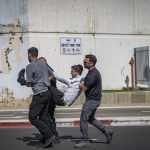
However, MK Zevulun Kalfa, chairman of the agricultural lobby in the Knesset, learned that despite the request of the Ministry of Agriculture, the Ministry of Defense Resist To allocate 3.5 million shekels for the placement of one hundred shelters in the agricultural areas around Gaza.
MK Kalfa accuses the Defense Ministry of neglecting the lives of farmers in open areas: "Iron Dome provides protection for built-up areas, but most agricultural areas have no protection. These days, in the midst of the harvest, farmers are carrying out routine daily activities there of harvesting, watering, and cultivating the fields, but due to the size of the area, it is not possible to run to protected areas when an alarm is raised.
In the decision-making proposal, we requested to allocate a total of NIS 3.5 million for the purpose of placing shelters for farmers in open areas, which should provide a solution for 800 farmers and workers, but the Ministry of Defense decided for some reason to oppose the request.
"This is harming everyone who is in these areas, who is exposed to danger to their lives. Abandoning agricultural areas these days, in the midst of the harvest, will cause enormous economic damage to farmers and even a shortage of agricultural produce in the markets.". Join the Haredim 10 Facebook page >>
 Join the X page of Haredim 10 >>
 Want more news, videos and stories? Join the Haredim 10 WhatsApp channel >>