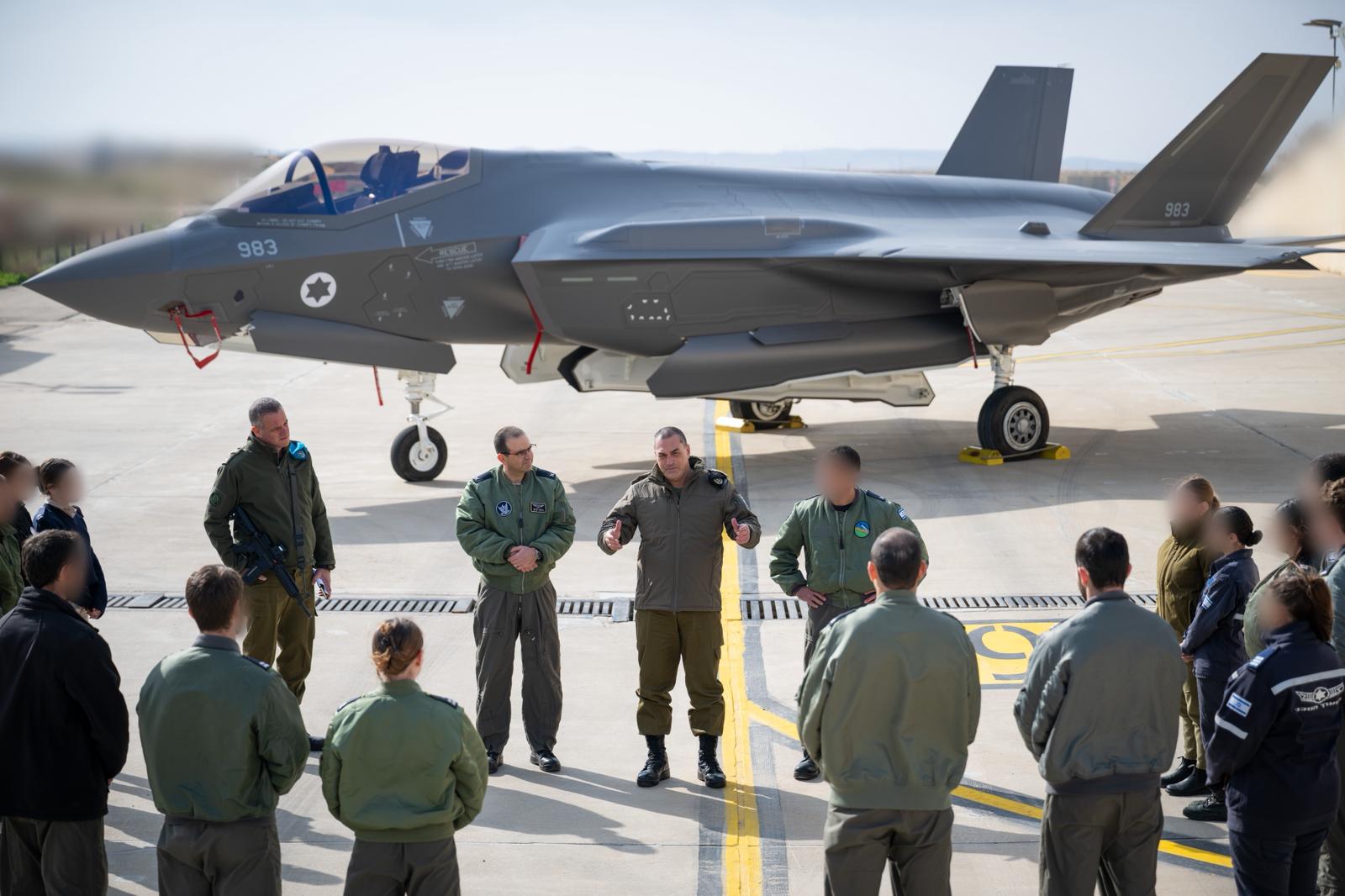
Chief of Staff Eyal Zamir said in assessing the situation that has existed in recent days that this is a period of uncertainty, and that in his estimation, an American attack will be carried out within a period of time "between two weeks and two months.".
According to Doron Kadosh's report on IDF Radio, the assessments are that no attack is expected in the coming days, at least for now, and it appears that the US is not sharing everything with Israel - and is excluding it from its decision-making processes.
Senior security sources say: The coming weeks will continue to be tense - starting today we enter the 'Ten Days of Fajr' - in which Iran marks 47 years since the Ayatollahs' revolution, and from February 1 to February 11 are the days between Khomeini's arrival in Iran and the fall of the Shah.
 Want more news, videos and stories? Join the Haredim 10 WhatsApp channel >>
Later, in mid-February, the 40th anniversary of the deaths of thousands of protesters in Iran in early January will be marked, so the tense period will continue to accompany us.
According to the report, Israel estimates that there are differences of opinion in the Iranian leadership: Supreme Leader Khamenei opposes compromises in negotiations with the United States and still holds rigid, uncompromising positions. In contrast, other senior figures in the Iranian system support a more conciliatory course in negotiations.
The concern in Israel: Trump will reach agreements with the Iranians on a nuclear agreement only, which will not include the ballistic missile component: "Trump will be able to say that he reached a better agreement than Obama - but it will still be a bad agreement for us and the entire region - because the Iranians will continue to produce missiles in crazy quantities, and will continue to operate their proxies.".
At this stage - contrary to reports, Iran has not yet exceeded the number of ballistic missiles it had before 'Am Kalavi', but it is getting there.