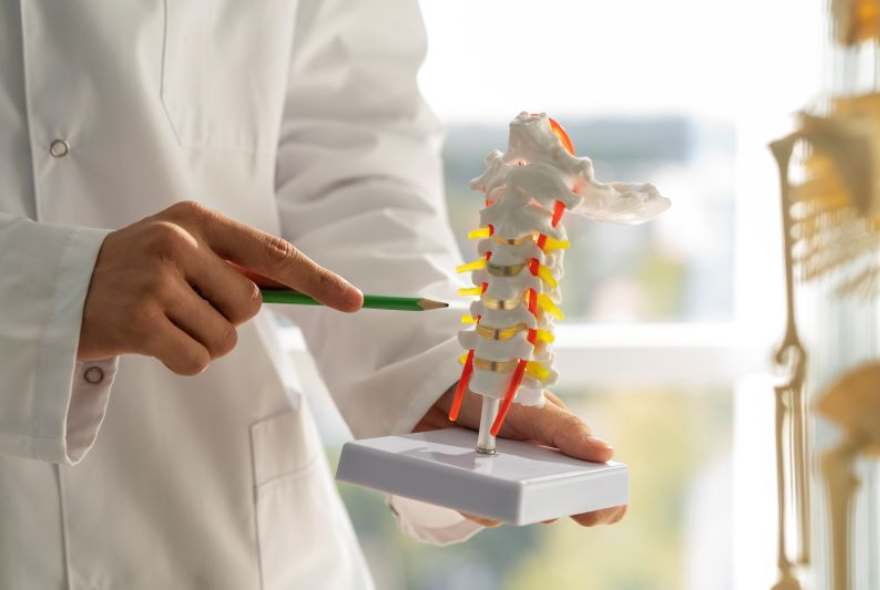
A herniated disc is one of the most common spinal problems – and sometimes one of the most painful. It is considered a major reason for visits to orthopedic and neurology doctors, partly because of the intense pain, the disturbing sensations in the limbs and sometimes also because of the impairment of daily functioning. The good news: It can be treated – and even recovered from – by a variety of means, from conservative treatment to herniated disc surgery if necessary..
The pain that accompanies this condition is not just physical – it often affects the entire quality of life, making it difficult to perform basic daily functions and even impairing sleep and concentration. However, understanding the causes of a herniated disc and early recognition of the symptoms can help you cope effectively and get on the road to recovery.
To understand what it is Herniated disc, It is important to know the role of the intervertebral disc. The disc is a flexible component located between the vertebrae of the spine, and serves as a shock absorber that helps maintain normal and stable movement of the spine. It is made up of an inner gel-like nucleus and an outer ring made of fibrocartilage. When there is an abnormal physical load, a sharp movement or natural wear and tear of the disc – especially with increasing age – a tear may occur in the outer ring, through which the inner nucleus bursts out. The material that bursts is often located near nerve roots, which leads to direct pressure on them and severe pain.
Common symptoms vary depending on the location of the herniation. In most cases, it is a herniated disc in the lumbar spine – the lower back – and then the pain will appear in the back with radiation to the legs, a feeling of numbness, tingling and sometimes weakness. If it is a herniation in the neck area, there may be radiation to the hands and similar sensations in the upper extremities. The pain can be constant or worsened during certain movements, prolonged sitting or lifting weights.
In severe cases, where there is actual nerve damage or pressure on the spinal cord itself, the signs may also include impaired control of the sphincters or even partial paralysis – a condition that requires urgent medical intervention.
The diagnosis of a herniated disc usually begins with a medical consultation and a physical examination that assesses the source of the pain, range of motion, and various nerve sensations. Advanced imaging tests are then performed – primarily MRI and sometimes CT scans – which allow the location of the herniation, its size, and whether there is significant pressure on the nerves to be clearly seen. These tests are especially essential when considering herniated disc surgery, as they provide the doctor with the full clinical picture required to decide on the course of treatment.
Initial treatment for a herniated disc is usually conservative and includes controlled rest, medication to reduce pain and inflammation, physical therapy to strengthen the back muscles and improve posture, and sometimes even steroid injections directly into the affected area to relieve pain. In most cases, and especially when it is a mild to moderate herniation, this treatment plan is sufficient to bring significant relief and even the disappearance of symptoms within a few weeks.
When conservative treatment is ineffective after a period of six weeks or more, or when there are clear signs of nerve damage – such as decreased muscle strength or impaired sensory control – the option of performing Herniated disc surgery . This surgery usually involves removing the damaged part of the disc that is pressing on the nerve. In some cases, especially if there is extensive wear and tear or chronic inflammation around the vertebrae, the vertebrae will also be fixed to prevent future movement and stabilize the spine. It is important to know that these types of surgeries are now considered relatively safe, with high success rates and a gradual but steady recovery.
Laniado Hospital has a spine unit as part of the orthopedic clinic and offers comprehensive professional diagnosis and advanced treatments for herniated discs, with a personalized approach tailored to each patient. The clinic also performs surgeries for herniated discs in the cervical and lumbar regions, using state-of-the-art medical equipment and an experienced team of surgeons. After surgery, professional physiotherapy rehabilitation is performed, which is designed to reduce pain, improve function, and prevent the problem from recurring in the future.
If you suffer from recurring back pain, numbness in your limbs, or difficulty with simple daily activities, it may be a herniated disc. Early diagnosis and appropriate treatment can prevent complications and even restore your quality of life to a decent level. Laniado is a recommended place to go – thanks to professionalism, personal attention, and advanced treatments for herniated discs, which lead patients on the path to recovery with confidence and peace of mind.
 Join the Haredim 10 Facebook page >>
 Join the X page of Haredim 10 >>
 Want more news, videos and stories? Join the Haredim 10 WhatsApp channel >>