
The Shin Bet announced today (Thursday) that it succeeded in thwarting 85 cyber attacks conducted by Iranian elements against Israeli citizens - including senior figures in the defense establishment, politics, academia, the media and other fields.
Want to dance and enter your own private Torah scroll? The raffle is on Friday • All the details
According to the Shin Bet statement, the attacks were carried out mainly through phishing attempts through applications such as WhatsApp, Telegram, and email.
The referrals were built with a specific cover story for each target, according to their field of activity, so that the referral would not appear unusual - with the goal of appearing authentic and not arousing suspicion.
The attack methods vary, but most often involve sending a fake link to a "Google Meet" call, which requires the victim to enter a username and password, which are stolen by the attacker. Using this information, the attacker gains access to the victim's Google account, which also allows them access to their email, passwords for other services, their location, photos saved in the cloud, and other information.
Additionally, there have been reports of the use of phishing software and downloadable files - designed to implant spyware on the victim's computer.
The goal of these attempts is to gain access to data such as the email, computer, or smartphone of the Israeli individuals who have been marked as targets, in order to obtain personal information about them, such as residential address, personal contacts, and places where they regularly stay.
This information will be used, among other things, by Iranian elements to carry out attacks against individuals in Israel, using Israeli squads they recruited in the country.
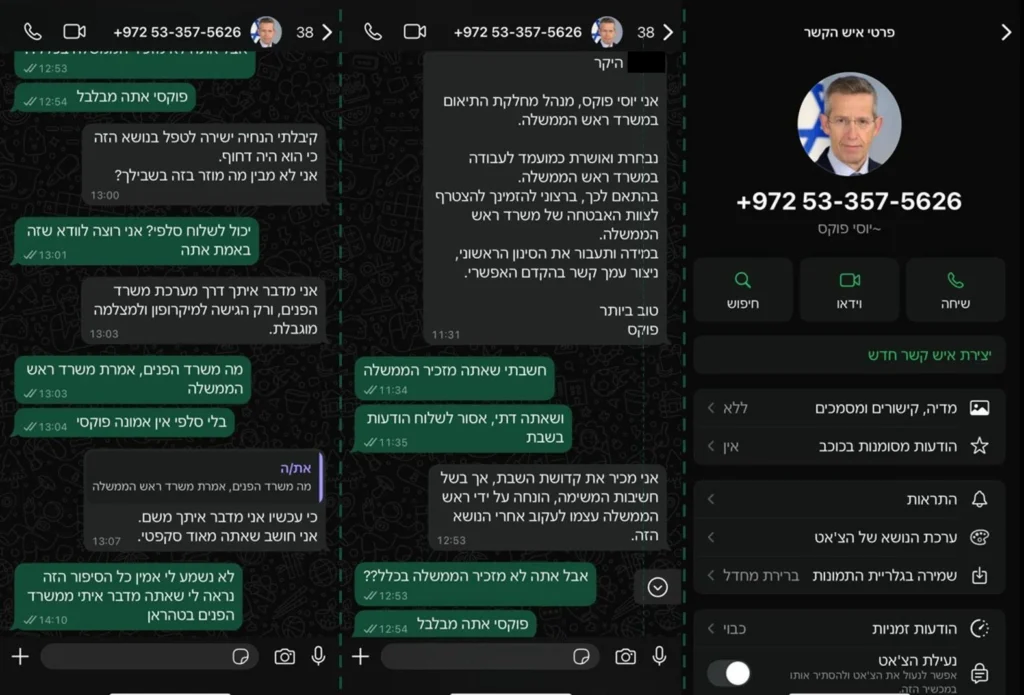
A Shin Bet source stated: "We see the continued relentless attempts by hostile elements in the campaign that Iran is waging against Israel in attempts to harm individuals through sensitive information. The public is required to be vigilant and cautious. These are cyber attacks that can be avoided before they occur through awareness, caution, suspicion, and preventive and correct behavior online, with an emphasis on avoiding clicking on unidentified links.".
 Join the Haredim 10 Facebook page >>
 Join the X page of Haredim 10 >>
 Want more news, videos and stories? Join the Haredim 10 WhatsApp channel >>