Tisha B'Av is a day of fasting commemorating the destruction of the First and Second Temples, beginning on the 9th of Av, at the end of the three weeks.
The laws of mourning on Tisha B'Av are more severe than other fasts and include five tortures and additional mourning customs, in addition to lamenting the destruction and reading the Scroll of Lamentations.
Five disasters occurred on Tisha B'Av: Our ancestors were condemned not to enter the Holy Land, the destruction of the First and Second Temples, Beitar was captured - the city of Beitar was the last stronghold of the Bar Kokhba rebellion, and it fell heroically on Tisha B'Av, and the city was plowed - after the destruction of Jerusalem, "which was entirely plowed and became like a plowed field.".
When is Tisha B'Av in 2024?
In 2024 – 5774, the fast of Tisha B'Av begins at sunset on Monday,
August 12 2024, and it ends with the rising of the stars on Tuesday
August 13 2024.
לזמן המדוייק של כניסת הצום במיקום שלכם,
Click here. For the exact time of the end of the fast in your location,
Click here
Times for the beginning and end of the fast in selected cities:
| Jerusalem |
19:26 |
19:51 |
| Tel Aviv |
19:28 |
19:53 |
| Beer Sheva |
19:26 |
19:51 |
| Haifa |
19:28 |
19:54 |
| Tiberias |
19:26 |
19:51 |
| Eilat |
19:23 |
19:48 |
| Rafah |
19:29 |
19:54 |
| Metula |
19:26 |
19:52 |
| New York |
19:57 |
20:26 |
| London |
20:28 |
21:04 |
| Paris |
21:11 |
21:44 |
| Barcelona |
20:54 |
21:23 |
Tisha B'Av Fast: No Eating or Drinking
• From the beginning of the fast until the end of the fast, one does not eat or drink anything (the sick, the elderly, women in certain states of pregnancy, etc., should consult with a rabbi so that he can decide how they should behave during the fast. Even those who are not fasting – upon the instruction of a rabbi – should refrain from eating delicacies or unnecessary eating).
Mourning customs: What else is forbidden on Tisha B'Av?
בנוסף לצום מאכילה ושתייה במהלך תשעה באב אנו נמנעים מפעולות מענגות וחגיגיות ומפגינים אֵבֶל על בית המקדש שחרב.
אלו הם מנהגי האבלות של תשעה באב:
• לא נועלים נעלי עור, או נעליים המכילים חלקים מעור.
• יושבים על כסאות נמוכים עד לחצות היום (
Click here כדי לדעת את השעה המדוייקת).
• לא רוחצים במים (גם לא במים קרים). בנטילת ידיים שופכים מים רק על האצבעות ולא על שטח כף היד. (מותר לרחוץ במים אזור שהתלכלך).
• לא מושחים את העור בתחליבי גוף או שמנים כלשהם.
• מתרחקים מקרבה אינטימית.
• לא מברכים איש את רעהו לשלום ולא שולחים מתנות
• לא לובשים בגדי חג.
• החל מיום שני בצהריים ועד למוצאי הצום לא לומדים תורה, כיון שהתורה משמחת ו"משיבת נפש". עם זאת, מותר ואף רצוי ללמוד נושאים בתורה העוסקים בחורבן הבית ובמאורעות היום.
A meal breaks
Before the start of the fast, on Monday (August 12) afternoon, the "breaking meal" is held: a meager meal of egg and bread dipped in a pinch of ashes (which symbolize mourning and destruction), which is eaten in solitude and in a heavy atmosphere.
When is the Book of Lamentations read?
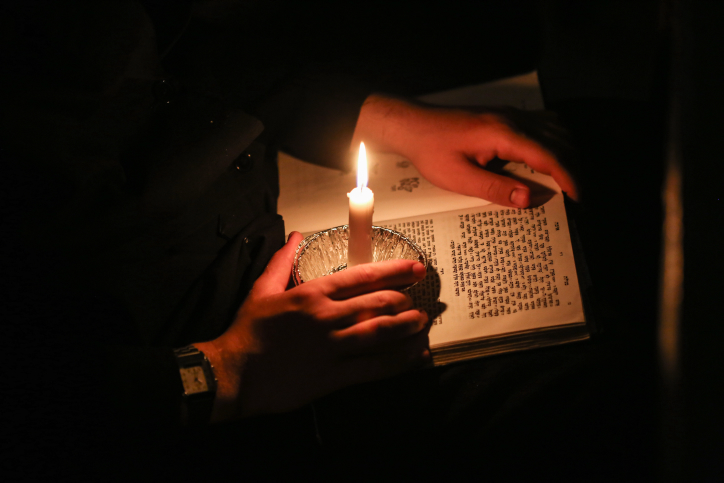
בתחילת הצום, מסירים בבית הכנסת את הפרוכת מארון הקודש, מחשיכים את רוב התאורה ולאחר תפילת ערבית קוראים יחד את מגילת 'איכה' המתארת את זוועות החורבן. החזן מקריא את המגילה בקול כשהמתפללים מצטרפים אליו בקול שקט. לאחר-מכן קוראים 'קינות' - פיוטים עצובים שנכתבו לתשעה באב.
בשנת 2024 נקרא את המגילה
On August 12 בערב.
מעניין כי למרות שמגילת איכה מספרת על חורבן בית המקדש, היא נכתבה למעשה עוד לפניה כאזהרה לעם ישראל שיחזרו בתשובה.
To read the Book of Lamentations, click here.
To read the story behind the Scroll of Lamentations, click here
What are the 'Laments'? And when are they read?
• ה"קינות" הם פיוטים שחוברו על ידי חכמי ישראל המקוננים ומבכים את חורבן בית המקדש וירושלים.
• נהוג לקרוא מעט קינות
On the night of Tisha B'Av (
August 12) After the Book of Lamentations, and many laments after the morning prayer of
Tisha B'Av morning (
August 13) up to
Midnight today.
The morning of Tisha B'Av, and when do you put on tefillin on Tisha B'Av?
• When shaking hands
On the morning of Tisha B'Av שופכים מים רק על האצבעות, מבלי שהמים ייגעו בכף היד, ובבכרכות השחר מדלגים על ברכת "שעשה לי כל צרכי".
• בשונה משאר ימי השנה, בתפילת שחרית לא מניחים תפילין או מתעטפים בטלית (עושים זאת בהמשך היום). לאחר קריאת התורה בבית הכנסת קוראים את ה"קינות".
• מניחים תפילין ומתעטפים בטלית רק אחר הצהריים, בתפילת מנחה.
When is it permissible to sit on a regular chair on Tisha B'Av?
• In the afternoon of the fast עושים הקלה מסוימת במנהגי האבלות: אחר הצהריים מותר לשבת על כסאות רגילים וכן ניתן להתחיל בהכנות לארוחה שלאחר הצום (הארוחה בצאת הצום צריכה להיות לא מפוארת, בלי בשר ובלי יין).
• בבית הכנסת משיבים את הפרוכת למקומה, ובתפילת המנחה מניחים תפילין ומתעטפים בטלית. לתפילת העמידה מוסיפים קטע מיוחד בשם 'נחם' הכולל בקשות לבניין המקדש מחדש.
Tisha B'Av: Breaking the Fast, Kiddush Levena (Blessing of the Moon)
• לאחר צאת הצום יש ליטול ידיים בצורה הרגילה בכל בוקר (שופכים את המים גם על שטח כפות הידיים), אך עושים זאת בלי לברך את ברכת הנטילה. רוחצים את הפה ואת הפנים (במשך הצום הדבר היה אסור), ומותר גם לנעול נעלי עור.
• נוהגים לערוך במוצאי הצום קידוש הלבנה (או: ברכת הלבנה).
מכיוון שתהליך שריפת בית המקדש המשיך עד למחרת תשעה באב (י' אב) בצהריים, ממשיכים את
The nine-day mourning customs Until midnight on the 10th of Av.

 Join the Haredim 10 Facebook page >>
 Join the X page of Haredim 10 >>
 Want more news, videos and stories? Join the Haredim 10 WhatsApp channel >>