The Tel Aviv Magistrate's Court decided this morning (Tuesday) that the state witness agreements of Nir Hefetz and Shlomo Filber, which were signed as part of the indictments against former Prime Minister Benjamin Netanyahu, will be disclosed to the public.
Safe swimming in the sea: everything you need to know about spending time at the beach
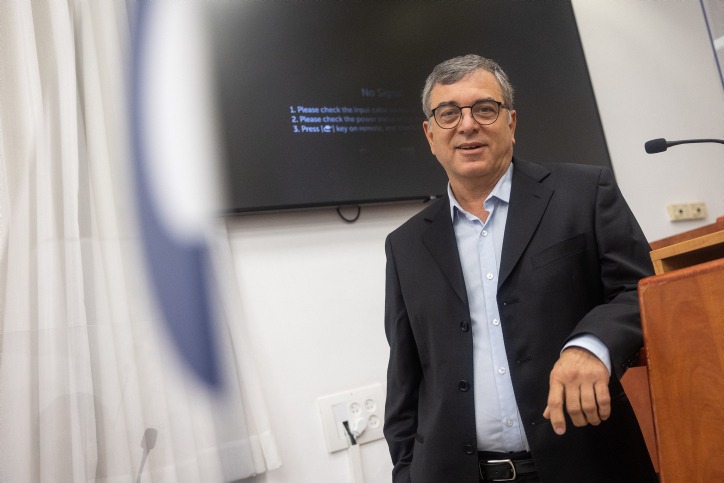
This follows a request submitted by Attorney Elad Mann on behalf of the Seventh Eye, Sufq, Success and Octopus associations. The state witness agreement signed with Shlomo Filber on February 20, 2018 indicates that Filber will face disciplinary action at the Civil Service Commission. In addition, he will agree to the penalty of permanent removal from public service, will not run for or engage in any public service position, and will work to have his law license suspended for five years. Among the commitments he undertook as part of the agreement: to provide full and detailed truthful statements, record conversations between him and other parties involved, standard conditions in a state witness agreement, and to ensure that his partner will provide full and truthful testimony about everything she knows about the affair. In the state witness agreement with Nir Hefetz, signed on March 4, 2018, he undertook, among other things, that he would refrain from running for or engaging in any public position permanently. In addition, he will "provide information about two serious security affairs of great public interest." According to him, one of the events led him to resign from his position." The agreements with the two indicate that they were suspected of offenses of moral turpitude, receiving something by fraud under aggravated circumstances, fraud and breach of trust in a corporation, offenses of managers and employees in a corporation, obstruction of justice, money laundering offenses and extortion by threats. Attorney Elad Man, Attorney General of the Success Association: "Revealing the state witness agreements is an important step in the context of the publicity of the trial and the public's right to know. The full context of the testimonies and their circumstances and the agreements that were formulated in the matters of key witnesses must be brought to the public. This includes the limitations and prohibitions they took on themselves, the details they provided, the offenses they were suspected of, and more. "The public should also be able to assess the reasonableness of the agreements and examine the conduct of the state witnesses in a more successful manner, also on the public level and not only in legal aspects.".

 Join the Haredim 10 Facebook page >>
 Join the X page of Haredim 10 >>
 Want more news, videos and stories? Join the Haredim 10 WhatsApp channel >>