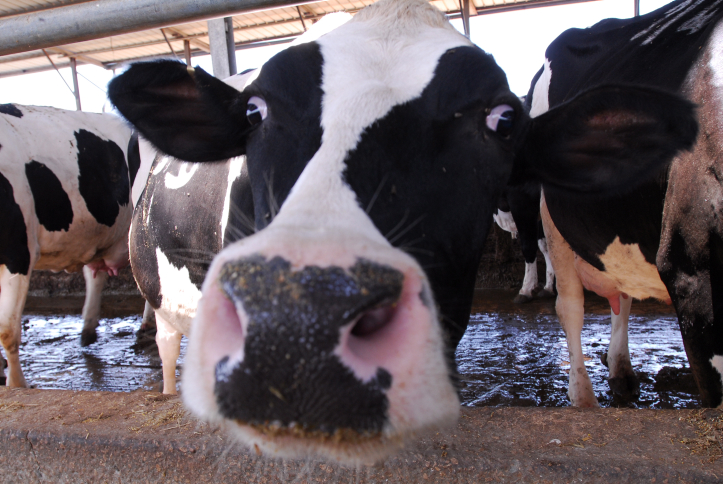
New Zealand has unveiled a plan to tax the burps of sheep and cows, as part of efforts to tackle one of the country's biggest sources of greenhouse gas emissions. The country is rich in sheep and cattle, and in addition to its five million citizens, the country also has 10 million cattle and 26 million sheep. The bill, which is supposed to charge farmers with a new tax on animal burps, is set to come into effect in 2025 and is designed to try and combat greenhouse gas emissions, which are also caused by animal burps. "There is no doubt that we need to cut the amount of methane we release into the atmosphere, and an effective pricing system for agricultural emissions will play a central role in achieving this goal," said the country's Environment Minister, James Shaw. The plan also includes incentives for farmers to reduce emissions through feed additives and plant trees on farms. The tax revenue will be invested in research, development and advisory services for farmers, the environment minister said. Andrew Hoggard, a dairy owner and president of the National Federation of New Zealand Farmers, said in response that he supported the plan: "We have been working on this for years with the government and other organisations to agree an approach that does not lead to the closure of farming in New Zealand, so we have agreed on a lot of things that we are happy with." "But as with all agreements of this type that have many parties, there are always a few rats that have to be swallowed." He added that agreement had not yet been reached on all the details of the agreement. Under the plan, the money raised by the state from the program would be reinvested in research, development and advisory services for farmers.

 Join the Haredim 10 Facebook page >>
 Join the X page of Haredim 10 >>
 Want more news, videos and stories? Join the Haredim 10 WhatsApp channel >>