
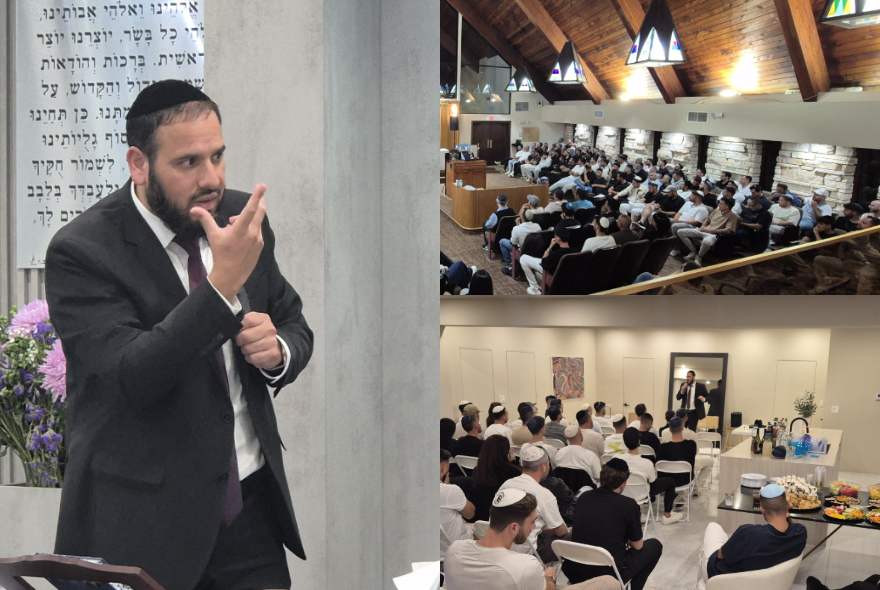
For ten years he did not keep Shabbat. During a strengthening campaign organized by the "Rabbi of the Young Israelis," Rabbi David Priof in the United States, he met a young Israeli named Yehuda in Miami. In their conversation, the Rabbi asked him the question he usually asks almost every young man he meets: "And what about Shabbat?""
Yehuda smiled awkwardly. "It's hard for me to be alone, Rabbi," he replied.
Rabbi Priof responded immediately: "This Shabbat you are with me." Yehuda hesitated, and finally agreed to try.
Shabbat has arrived: three prayers, Shabbat meals, Torah readings, songs, and long hours of connection and meaning. For the first time in ten years, Yehuda has kept a full Shabbat.
On Shabbat night, Rabbi Priof approached him and said excitedly: "It was worth it for me to fly 15 hours to Los Angeles and another 5 hours to Miami for your Shabbat.".
This story became one of the highlights of the strengthening campaign conducted in recent weeks by the "Rabbi of the Young Israelis," Rabbi David Priof, head of the "Connection" Center, and Rabbi Yosef Deloya, as part of a series of meetings with thousands of young Israelis across the United States.
Behind Yehuda's story stand dozens of similar stories that Rabbi David Priof and Rabbi Deluya encountered during the strengthening campaign they conducted throughout the United States.
For long days, they wandered between communities, synagogues, home groups, and youth gatherings, meeting hundreds of Israelis who lead their lives away from home, but continue to search for connection, meaning, and belonging.
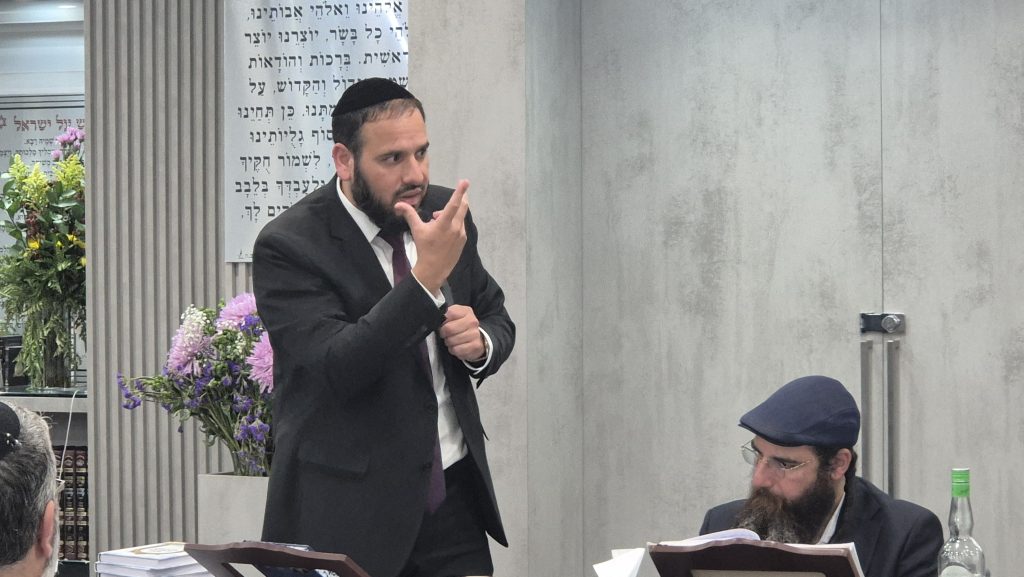
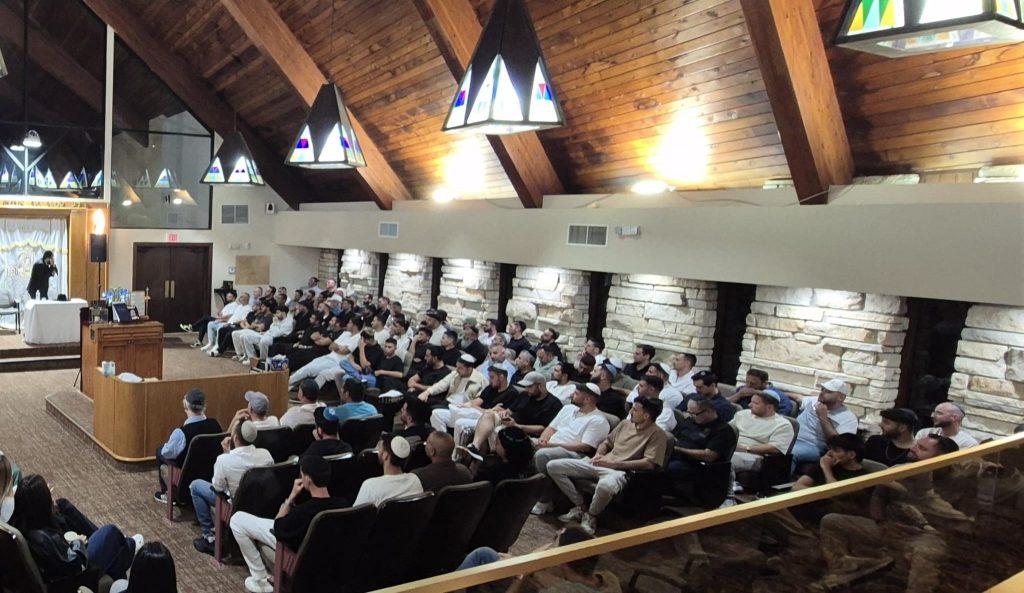
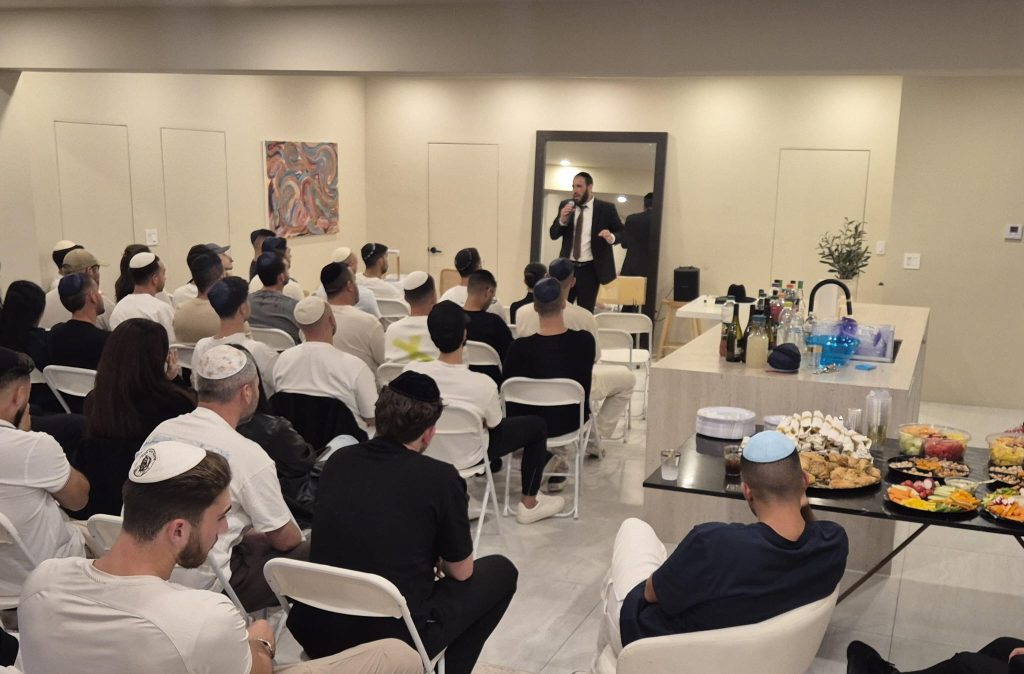
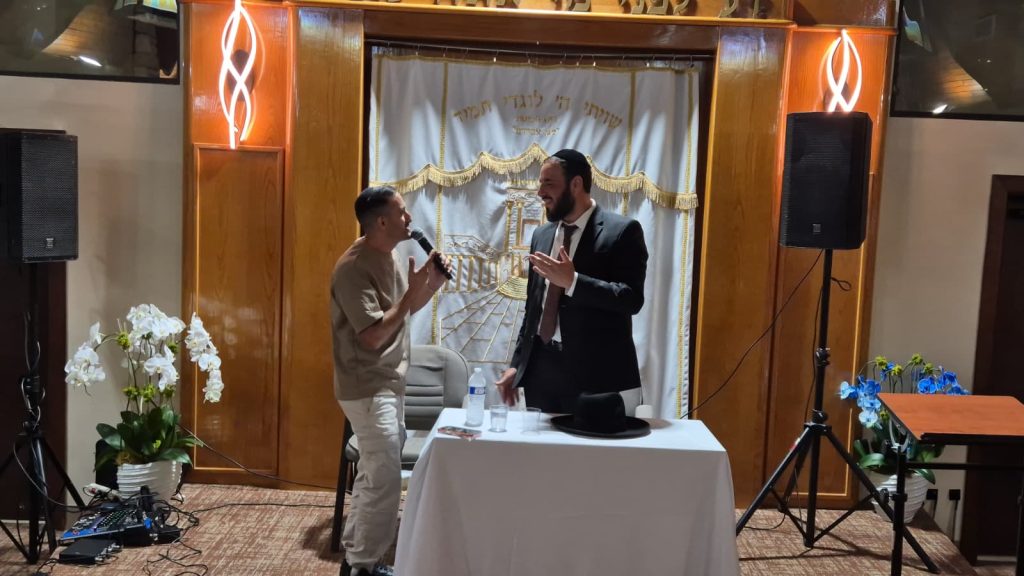
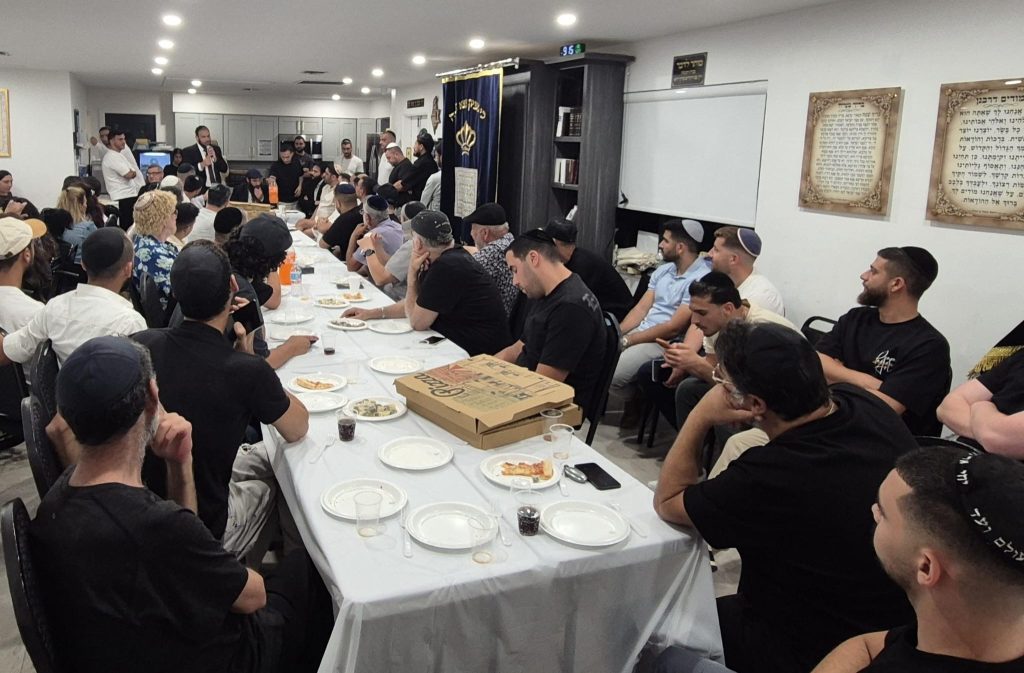
The United States has become a major destination for many young Israelis in recent years. Some have come for a short time, others have built their lives there, but many of them face the same challenges of identity, tradition, and homesickness. Meetings with the rabbis have become an opportunity for them to pause for a moment in the race of life, ask questions, share personal struggles, and reconnect with the world from which they grew up.
Wherever the rabbis went, the same scene repeated itself: a lesson planned for one hour that lasted into the night, personal conversations that continued long after the meeting ended, and young people who wanted to continue the connection even after the journey was over. For many of them, the meeting did not amount to a lecture or a Torah lesson but also became a personal turning point.
The youth empowerment campaign showed that even within the vibrant American routine and thousands of kilometers away from the country, the desire to connect with one's roots and preserve Jewish identity remains strong and steadfast.
 Join the Haredim 10 Facebook page >>
 Join the X page of Haredim 10 >>
 Want more news, videos and stories? Join the Haredim 10 WhatsApp channel >>
