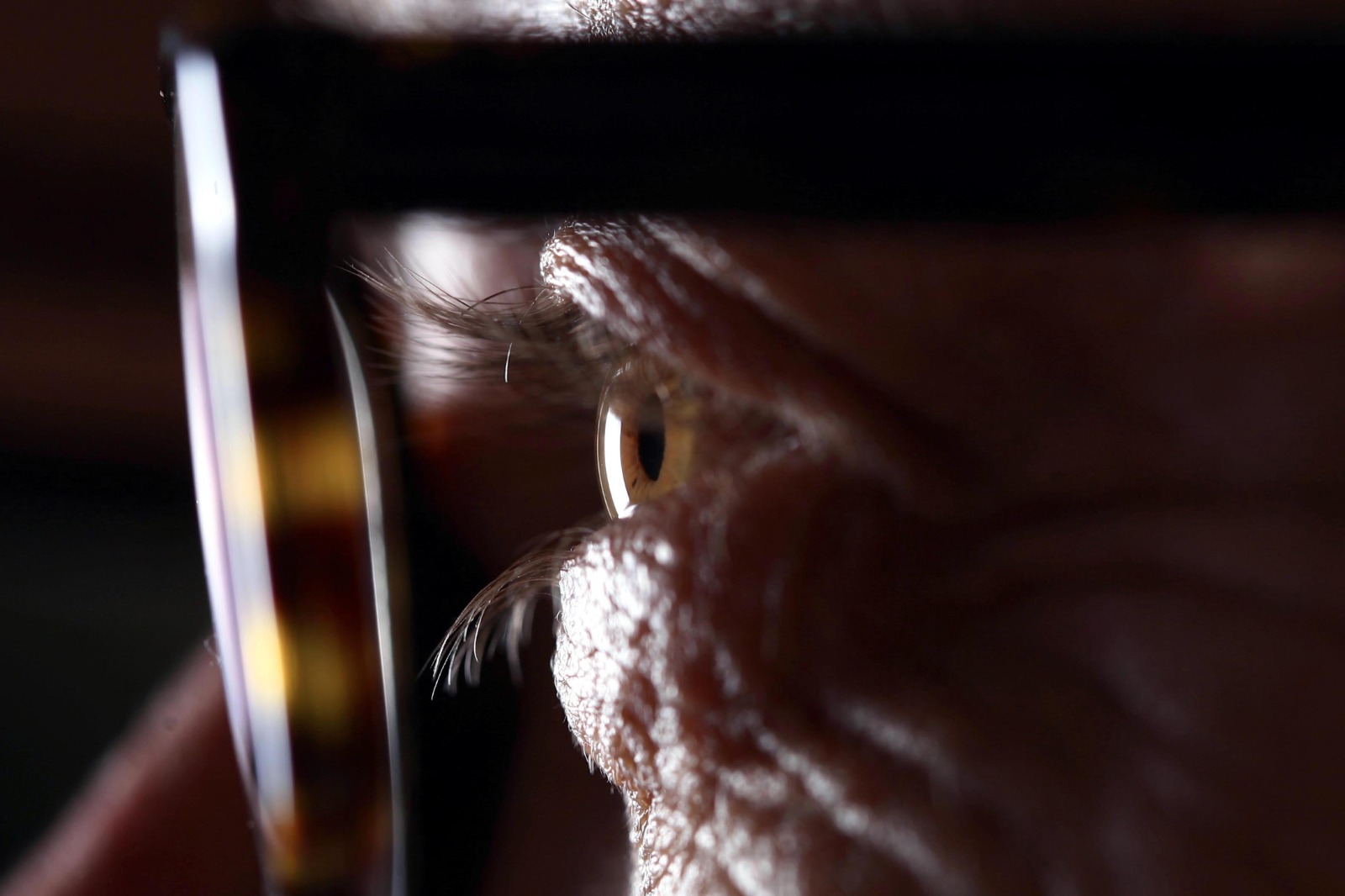
A new clinical study, conducted over a period of about two years in collaboration with patients from Assuta and Sheba, found that glasses with special Myoslow lenses are more effective than regular glasses in slowing the progression of myopia in children.
The study involved over one hundred children aged 6–12, with myopia ranging from minus 1 to minus 5. The children were divided into two groups: one group wore glasses with Myoslow lenses, which were designed to slow the progression of myopia, and a control group that wore regular glasses.
The study findings showed that children who wore Myoslow glasses experienced a slower worsening of their myopia compared to children who wore regular glasses.
In numerical terms, the worsening in the number of glasses was about 30% lower. In addition, a slowdown of about 24% in the rate of eyeball growth was observed - a process considered the main factor in the progression of myopia.
The highest efficacy was observed in younger children, aged 6–9. This group showed a clearer and more significant slowdown in the progression of myopia, which reinforces the understanding that the younger the intervention begins, the greater the chance of a long-term beneficial effect.
In terms of safety and comfort, the study found that the children adapted well to the use of Myoslow lenses. Almost no side effects were reported, and no significant adverse events or medical problems were recorded. In addition, quality of life and daily functioning questionnaires indicated that there was no impairment in vision quality, comfort, or routine functioning as a result of using the lenses.
The study was accepted for publication in the prestigious scientific journal Scientific Reports, part of the Nature group of journals.
 Join the Haredim 10 Facebook page >>
 Join the X page of Haredim 10 >>
 Want more news, videos and stories? Join the Haredim 10 WhatsApp channel >>