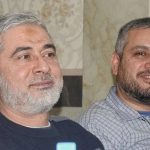
Prof. David Tena, director of the Stroke and Cognition Institute at Rambam and chairman of the Israeli Society for Cognitive Neurology - held a meeting in the office of the former Chief Rabbi, Rabbi David Lau, where the focus of the meeting was dealing with Alzheimer's disease and dementia, and the need to increase awareness of the issue among the Haredi public.
During the meeting, the importance of early diagnosis and treatment in the early stages of the disease was presented, as a significant means of delaying symptoms and improving the quality of life of patients and their families. In addition, recent medical developments, new research, and advanced treatment approaches in the field of neurology were reviewed.
One of the main issues raised at the meeting was the critical importance of public awareness, especially in the Haredi sector. According to Prof. Tena, in many cases the first signs of cognitive decline are perceived as a "natural part of aging," and as a result, seeking professional diagnosis is delayed.
However, this delay may cost valuable time – time when treatment could have been started, the rate of deterioration could have been halted, and function and quality of life could have been maintained for years.
Prof. Tena presented the latest approaches in the field, where beyond the concept of symptomatic treatment alone, there is today a broader concept of prevention, delaying the progression of the disease, and intervention at very early stages.

Today, he noted, there are advanced diagnostic tools that allow for the identification of brain processes even before severe symptoms appear, as well as innovative treatments that are in use or in advanced stages of development.
Early diagnosis opens the door to opportunity, said the rabbi, and in an era of accelerated medical progress, the responsibility we all have is to know, ask, and act in a timely manner.
 Join the Haredim 10 Facebook page >>
 Join the X page of Haredim 10 >>
 Want more news, videos and stories? Join the Haredim 10 WhatsApp channel >>