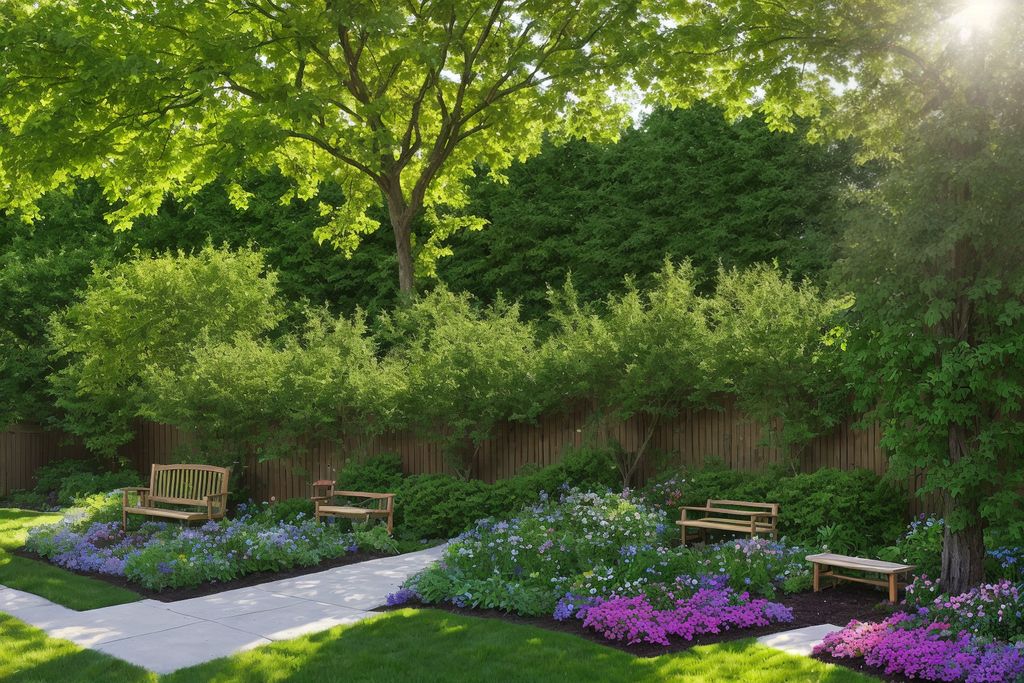
When it comes to managing yards and gardens, trees are a familiar and important asset: they provide shade, privacy, aesthetic value, and support biodiversity. However, trees require periodic maintenance to maintain their health, prevent hazards, and ensure they do not pose a danger to property or people.
Understanding basic pruning principles and properly preparing for professional involvement can save time, money, and mess.
When debating whether thorough pruning is required, it is recommended to take a look at the before and after work of professionals to understand the impact of the intervention; Examples and pictures of tree pruning before and after They help you have a realistic expectation of the result and assess the level of professionalism. Beyond the photos, a conversation with a professional about the purpose of the pruning—aesthetic, health, or safety—will help you plan the appropriate treatment.
- Danger signs: dry branches, cracks in the trunk, branches close to a power line or over a roof, and when branches block access or light to windows.
- Health signs: Mortality of internal branches, fungus at the base of the trunk, or accumulation of aphids and insect nests may indicate the need for inspection.
- Timing: Most trees are pruned after the active growing season—in winter or early spring—but there are exceptions depending on the type of tree and the purpose of the pruning. Extreme pruning at inappropriate times may weaken the tree.
1. Safety: Removing weak branches reduces the risk of falls and property damage.
2. Tree health: Removing infected parts reduces the spread of disease and allows for normal regrowth.
3. Aesthetics and function: Controlled pruning improves appearance, allows light to enter, and can encourage better flowering and fruiting.
4. Property maintenance: Maintained trees reduce repair costs after storms and contribute to real estate value.
- Light work: Gentle pruning of small branches or cleaning a tree of initial diseases can be performed by experienced people with hand tools, provided there is knowledge and planning.
- Complex jobs: cutting down large branches, dangerous climbing, or jobs that require the use of lifting platforms—require qualified professionals, with insurance and certificates.
- Professional advice: An expert can determine an annual care plan, recommend an ideal pruning date, and identify hidden root problems.
1. Preliminary scan: Take photos of the area and branches of concern, note weak points such as wires, nearby structures, and vehicles.
2. Clear the work environment: Remove fragile objects, portable garden items, and any object that could be damaged.
3. Providing access: Ensure easy access for a service vehicle and sometimes for positioning a platform or crane.
4. Information about trees: If you know of previous treatment, insects, or diseases—inform the professional team.
- Cleaning and maintaining roots: Soil care, adding compost, and moderate fertilization at the end of the dormant season help absorb new growth.
- Monitor injuries: Large cut areas can invite pests; it is important to watch for and clean up fungus and contact a professional if suspected.
- Long-term planning: Scheduling annual or biannual maintenance meetings ensures that the tree is kept healthy and in a controlled volume.
- Property and human life: Unprofessional pruning may cause significant damage, including branches falling on property or people.
- Permissions and the law: Near power lines or significant proximity to transportation routes, special care and sometimes permissions are required. In the case of protected trees or trees in public territory, regulatory conditions are required.
- Insurance: Make sure that the company is insured to cover bodily and property damage, and that there is a written agreement on the work period and liability for damages.
It is worth remembering that pruning is not just about cutting branches, but about managing the health of the tree over the years. Proper planning, professional assessment, and preparation for the work environment reduce risks and preserve the beauty and value of the garden. When choosing a professional team like Ofek Tree Pruning and Lifting Platforms, it is important to check recommendations, ensure insurance coverage, and understand the recommendations for ongoing care, to ensure a safe and long-term result.
 Join the Haredim 10 Facebook page >>
 Join the X page of Haredim 10 >>
 Want more news, videos and stories? Join the Haredim 10 WhatsApp channel >>