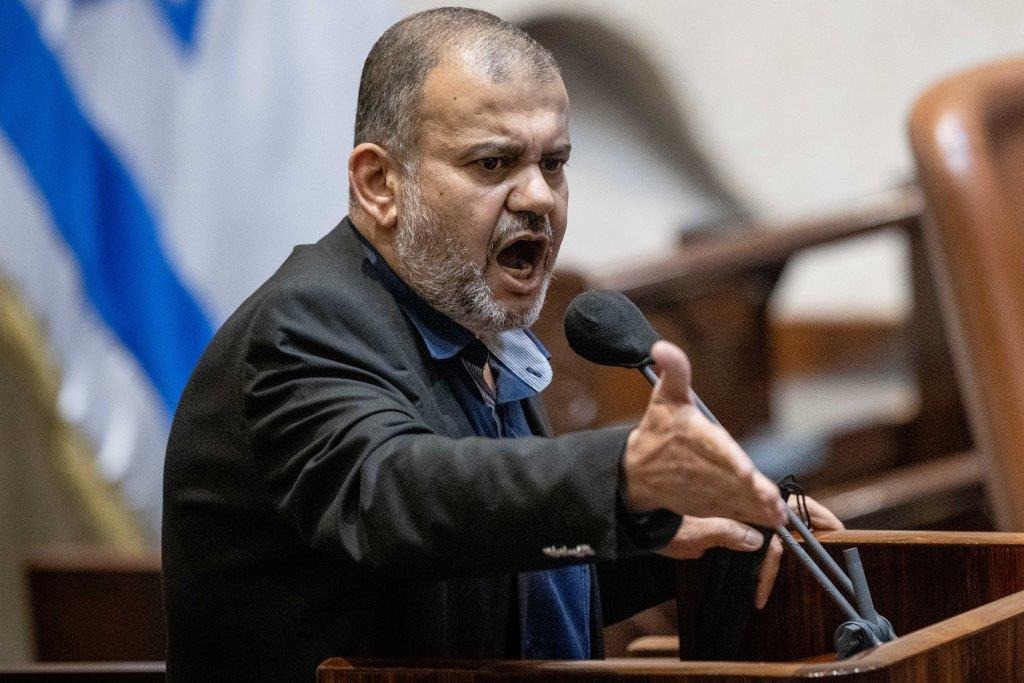
The chairman of the Interior Committee, MK Walid Taha, introduced significant changes to the 'Electricity Law' - despite the understandings within the coalition that a different wording agreed upon in a preliminary reading should be adhered to. This was reported today (Monday) on Channel 12.
Everyone adopts one vaccinated person: Have you already convinced a friend, neighbor, or relative?
Employers can receive a financial incentive of up to NIS 22,250. How? Enter
Taha took advantage of the fact that Interior Minister Ayelet Shaked was staying in the US and changed the law, without her knowledge. The move occurred an hour before the law was to be debated in the Knesset's Interior Committee. According to the revised version, it will be possible to connect houses built after the Kaminitz Law to electricity, if they have a deposit plan, and houses that are actually lived in, even if they were not originally designated for residence. MK Taha said that his party will fight for the law to be approved with the amendments. "It is my job as chairman of the committee and the job of the Knesset members - to introduce changes to the law. The principle that guides me is the logic of planning, and we will stand by it and we cannot dilute it with political maneuvers." In response, Minister Shaked's office said that they would not agree to any change in the wording of the law. "The changes are irrelevant, it is not agreed upon. The law will not come to a vote in this wording." The Regavim movement said: A few minutes ago, a discussion opened in the Interior Committee on the Electricity Law. The chairman of the Interior Committee and initiator of the law, MK Walid Taha, introduced sweeping changes to the wording of the law, contrary to the outline approved by the Ministerial Committee for preliminary reading. "Ahead of the debate, we distributed to Knesset members a table with the differences and practical implications between the bill that was approved in the preliminary reading and Taha's amendment proposal. Among the main changes: it will be possible to connect illegal buildings to electricity, even those built after the Kaminitz Law came into effect, the inclusion of buildings that are not intended for residential use, ignoring the issue of land ownership, and more.".

 Join the Haredim 10 Facebook page >>
 Join the X page of Haredim 10 >>
 Want more news, videos and stories? Join the Haredim 10 WhatsApp channel >>